
Automatic Frozen Pizza Cartoning Machine – An Advanced High Speed Packaging Solution

The frozen food industry requires packaging solutions that combine speed, precision, and reliability while maintaining product quality throughout the packaging, storage, and distribution processes. When it comes to frozen pizzas, particular attention must be paid to protecting the product and placing it in a cardboard box suitable for storage and distribution. IMPAC’s automatic packaging machine […]
How to Fill Dropper Bottles for Pharma and Supplement Products

At 5 to 50 ml, a small difference in dose becomes a noticeable share of the target, and the pipette, closure and fill level all influence the final result. Teams that plan this work well usually settle the product properties, the bottle data and the closure design before they compare equipment. This article describes the […]
Pail Filling Equipment for Liquids and Viscous Products
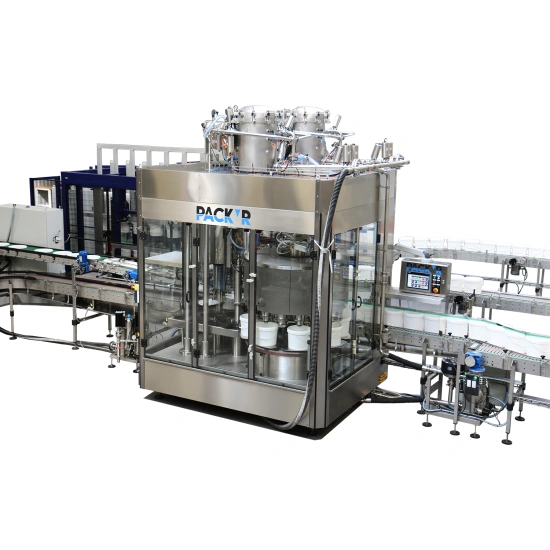
A pail filling line has to handle changes in product consistency without losing dose accuracy or leaving material around the rim. Paint is a good example. As its viscosity changes with temperature, the way it flows through the filling nozzle changes too. This can affect shut-off, create drips or strings, and leave inconsistent fill levels. […]
What Is Aseptic Filling and How Does It Work for Food Products?

Aseptic filling is the step where a sterilized food product enters sterilized packaging, and the package is closed before anything can contaminate it. The aim is a food that stays stable without refrigeration until someone opens it. That result depends on how the product is treated, how the package is prepared and how well the […]
Rotary vs. Inline Cup Filling Machines: Which Fits Your Line?

Rotary and inline cup fillers differ mainly in how cups travel. A rotary machine carries them around an indexing table (a circular table that pauses at each station before turning on). An inline machine moves them along a straight path. Either layout can handle yogurt, desserts, spreads and sauces. What separates them is floor space, […]
How to Fill an IBC Tote Safely and Accurately

An IBC tote holds a large volume of liquid in a single container, so a filling error can lead to spills, product loss or fills outside the specified range. The 1,000 L size is common, but IBCs come in several capacities and designs. Filling method, product behavior, container stability and the target weight all affect […]
Biscuit Cartoning Machine: Automating End-of-Line Bakery Packaging

Biscuit packs leaving the flow wrapper still need grouping, placement into cartons and closing before they reach distribution. This final step determines how much handling the product receives, how many cartons a line closes each shift and how long a changeover takes. The sections below cover the cartoning process, the two motion patterns, the causes […]
Cardboard Sleeving Machine: Multipack Packaging Without Shrink Film

Several products often sell better as one retail unit. Holding them together with a paperboard sleeve can reduce the amount of plastic in the pack and simplify the secondary packaging step. This article covers cardboard sleeves, which are paperboard bands placed around a group of products. The word “sleeve” also describes shrink sleeve labels, which […]
Beverage Secondary Packaging: Machines for Grouping Bottles and Cans
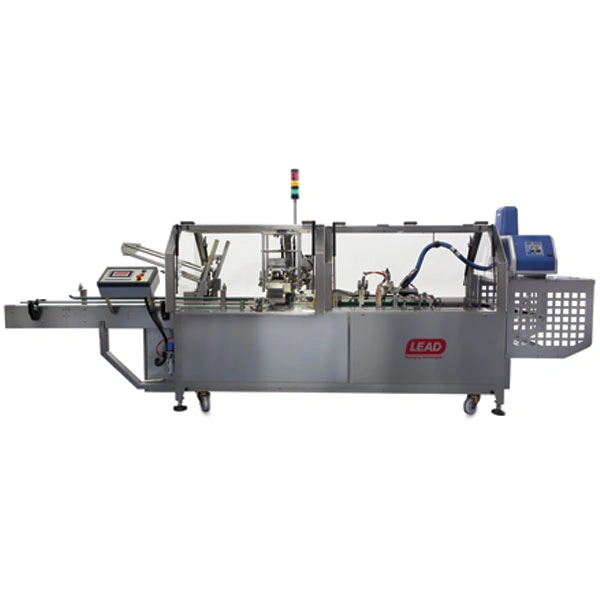
Beverage producers group bottles and cans before they ship them to retailers and distributors. This grouping step is called secondary packaging. It is the packaging that holds several primary containers, such as individual bottles or cans, together. The format chosen here affects material cost, line speed, the appearance of the retail pack and the effort […]
Used or new packaging machines: what should be considered before buying?
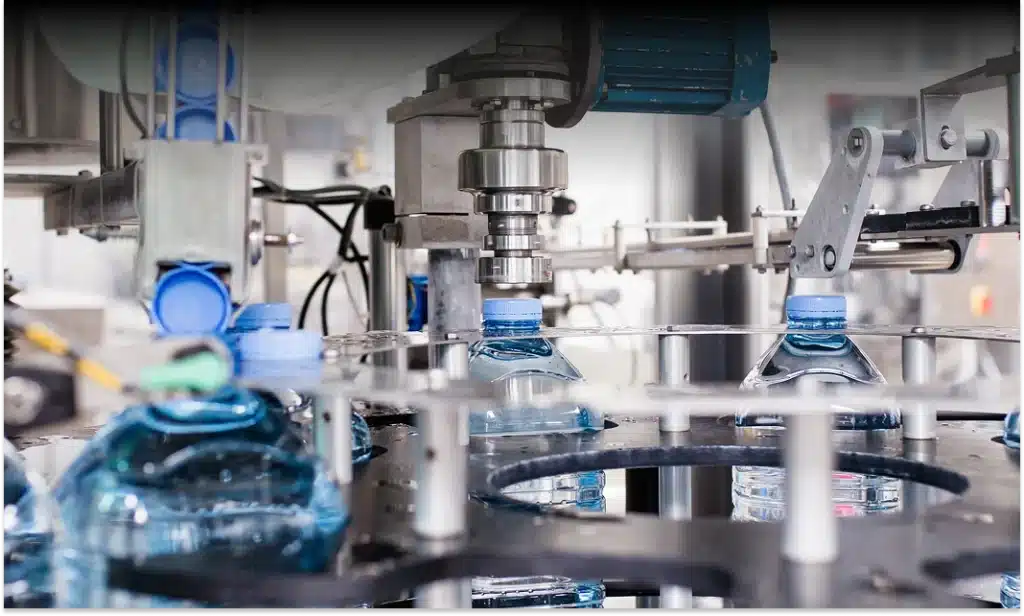
Procurement managers often face the choice between buying a used packaging machine at a lower upfront cost and investing in a new machine. The lower initial investment may make a used machine attractive, but the purchase price is only one part of the total cost of ownership for a machine that is expected to run […]
Preventive Maintenance for Packaging Machines: How to Reduce Downtime
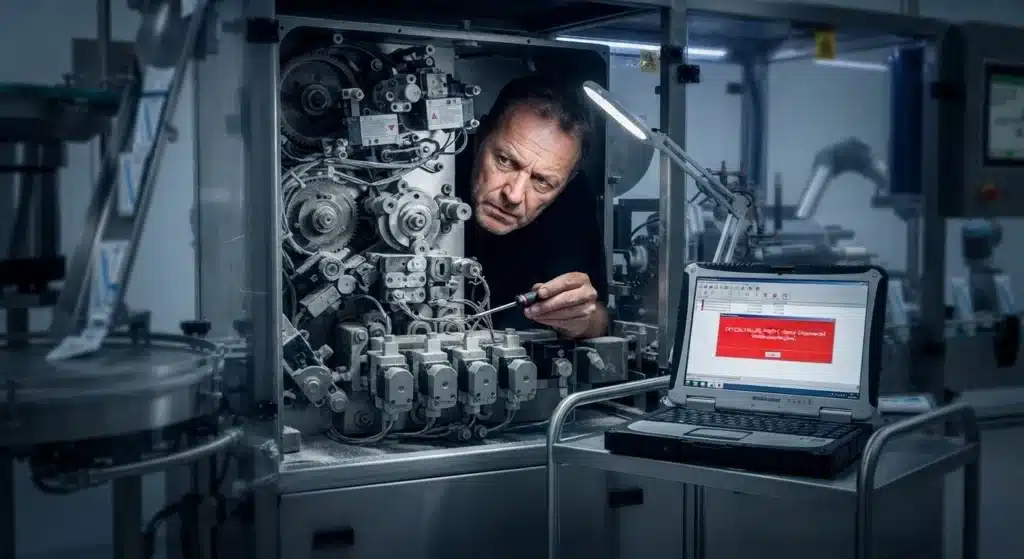
The downtime of a packaging machine is measured not only in the minutes during which the machine is idle, but also in the product that accumulates in front of it and the orders that leave the plant late. In facilities where packaging is the final stage before shipment, a 30-minute stoppage can affect everything that […]
Preventive Maintenance for Packaging Machines: How to Reduce Downtime
The downtime of a packaging machine is measured not only by the minutes the machine is stopped, but also by the product that accumulates in front of it and the orders that leave the factory late. In facilities where packaging is the final stage before shipment, a 30-minute stoppage can affect everything that follows. Preventive […]
Fertilizer Filling Machine for 5-10 Liter Containers: Filling Line Requirements
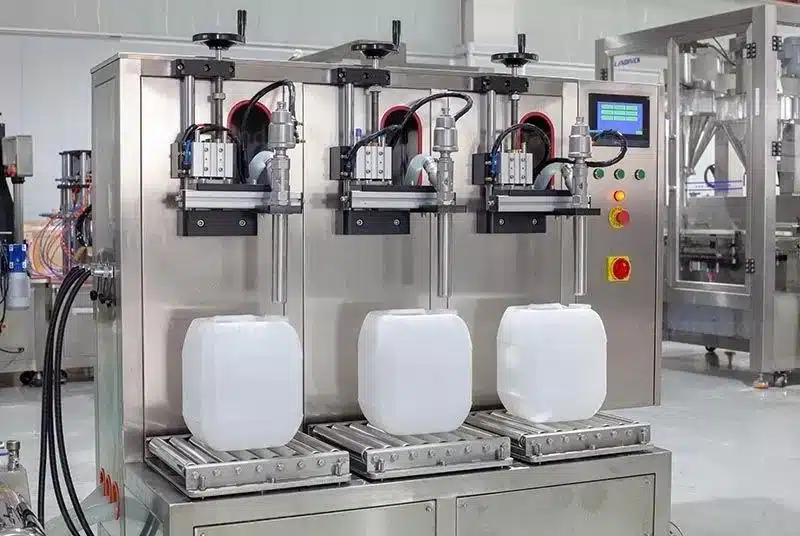
Filling affects product quality, workplace safety, and production efficiency in the fertilizer and chemical industries. Filling 5 to 10-liter containers requires high filling precision, chemical-resistant components, and reliable operation over time. Automatic filling systems can provide high throughput while maintaining consistent filling quality. An automatic filling line for fertilizers in 5 to 10-liter containers can […]
Fully Automatic Powder Filling Line for Jars: Key Components and Considerations
In the food, additive, and dry-product industries, filling powders into containers requires control of the fill quantity and consistency across containers. When filling jars or small containers, the filling process must be matched to the product and the required production output. An automatic powder filling line can include all stages of the process, from feeding […]
Automatic or Semi-Automatic Filling Machine: Which Is Right for Your Factory?
The decision between a fully automatic machine and a semi-automatic machine is sometimes presented as a question of budget, but it is also a question of the production mix. A factory that produces one product continuously throughout the week operates differently from a factory that changes products three times a day, and these two types […]