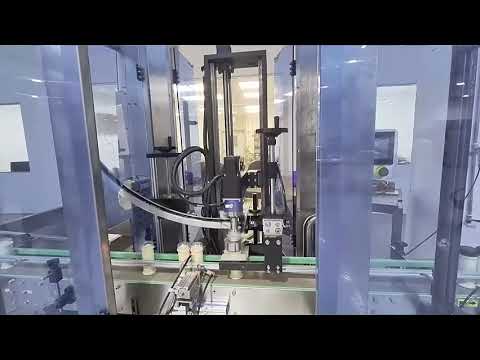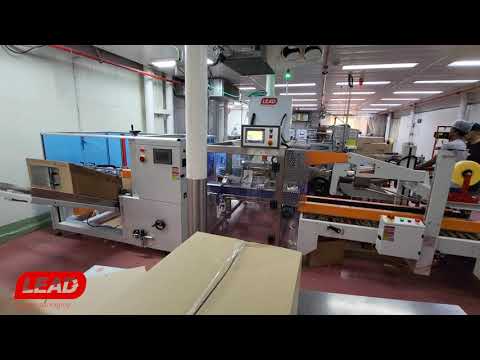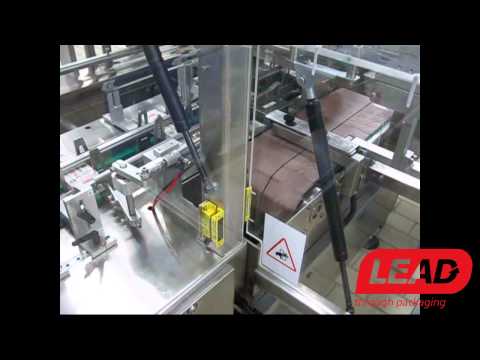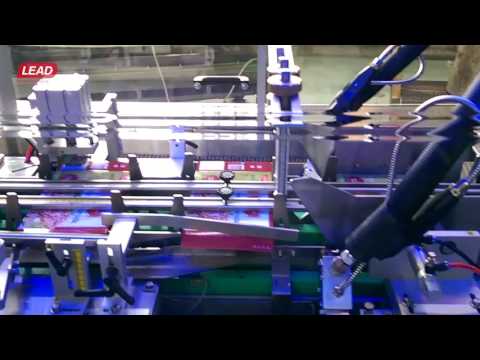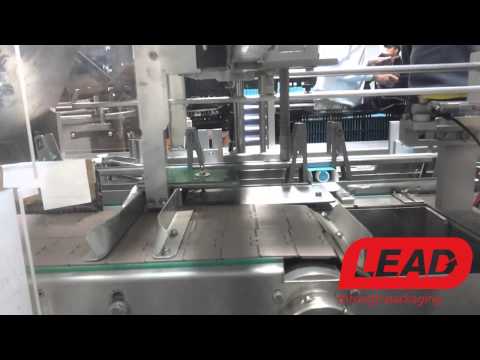
Biscuit packs leaving the flow wrapper still need grouping, placement into cartons and closing before they reach distribution. This final step determines how much handling the product receives, how many cartons a line closes each shift and how long a changeover takes. The sections below cover the cartoning process, the two motion patterns, the causes of breakage, machine ranges and the details to prepare before requesting a quotation. IMPAC’s bakery packaging equipment includes horizontal cartoners and pick-and-place loading systems for applications such as cookie cartoning machines.
How Biscuits Move from Pack to Carton
Carton packaging comes after primary packaging. The flow-wrapped pack protects the biscuits up to the cartoner, which then erects a carton, loads the packs and closes it.
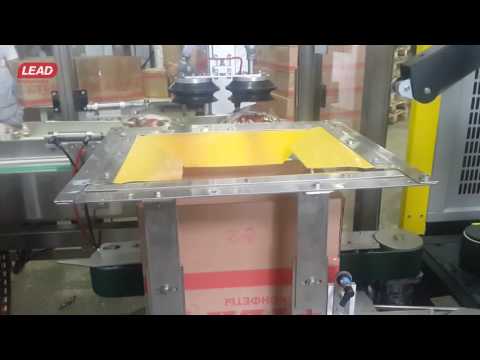
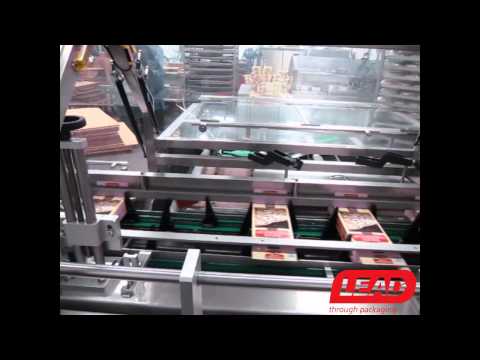
The machine draws a flat blank from a magazine and opens it into a box shape. Packs from the infeed are spaced and grouped to match the count and orientation the carton requires. The group moves into the open carton, the flaps are folded and sealed, and the finished carton leaves the machine for inspection, bundling or case packing.
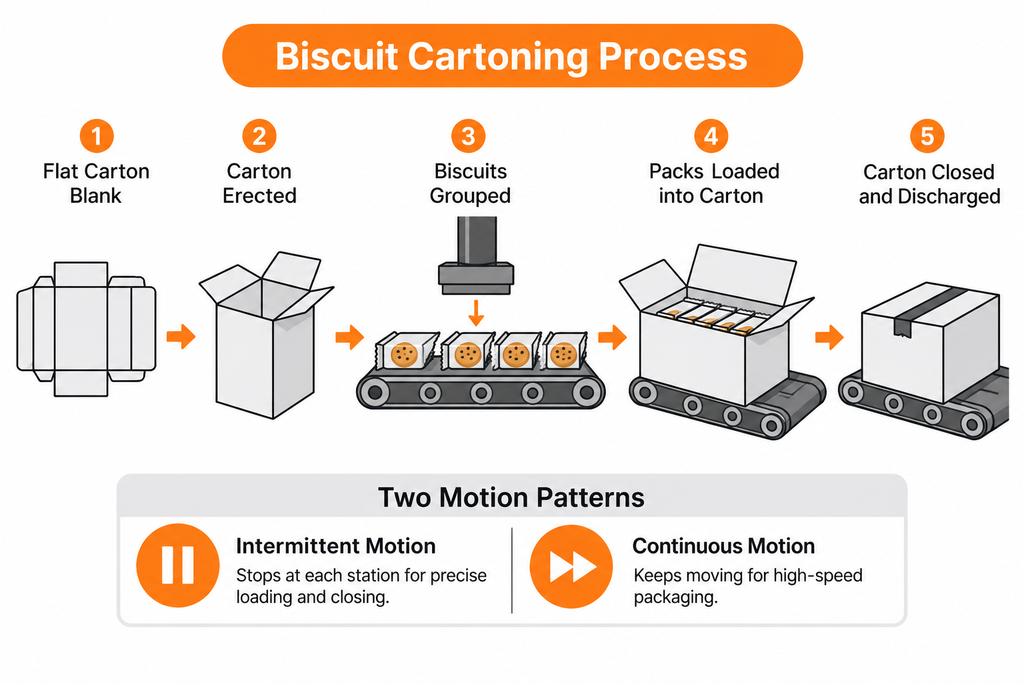
The exact sequence depends on the machine and the carton style. Some stations overlap, and the loading method changes with pack shape. Test runs with your own packs confirm whether the sequence fits your line.
Intermittent and Continuous Motion
In an intermittent cartoner, the carton and product stop at each station, and each operation finishes before the next begins. The fixed stop gives loading and closing a stable position, which helps when packs need careful placement.
In a continuous cartoner, cartons and products keep moving while the stations work in step with the line. Servo control keeps the timing aligned. This pattern depends on a steady infeed, because any gap in supply appears immediately at the loading station.
| Factor | Intermittent motion | Continuous motion |
| Product movement | Stops at each station | Moves through synchronized stations |
| Station timing | Each operation has its own stop | Stations follow the line speed |
| Infeed requirement | Tolerates some variation in supply | Needs a steady, coordinated infeed |
| Typical fit | Packs that need stable positioning | High-volume lines with a consistent supply |
Our MKH-4 is a continuous, side-loading cartoner with servo control on every axis. Our MKH-3 is a flexible horizontal cartoner designed for short runs and multi-product operation. Ask our team which pattern suits your infeed and output.
Loading Grouped Packs into Cartons
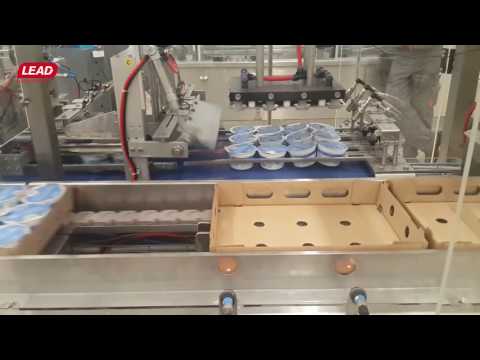
Loading places the most contact on the product. Packs need a consistent orientation, the correct count and a transfer that avoids sliding or collision. Mechanical pushers and pick-and-place heads both handle this task, and each suits different pack shapes.
Pick-and-place loading suits packs that need precise placement or frequent pattern changes. The Pick & Place PK-01 is a servo-driven loading system with two or three axes, depending on the requirement. Up to 20 memory settings store recipes for different products and packaging types. The gripper uses a vacuum or a mechanical system. It may handle cups, bags, cans and trays as applications, so biscuit packs should be tested before a configuration is chosen.
Limiting Breakage During Packing
Breakage can occur at discharge from the upstream machine, on transfer conveyors where packs collect, at grouping stations, during loading and during closing. Packs that collide with each other, a carton that compresses the group and a loading push that is too firm all contribute to damage. A carton with too much free space allows packs to shift during handling and transport.
Several measures reduce the risk. Keep pack spacing consistent at the infeed. Use guides sized to the pack. Set transfers for gentle movement rather than maximum speed. Test carton dimensions with real packs, not nominal sizes. Sample closed cartons and check the corners, the panels and the condition of the packs inside. Each line needs its own trial results to confirm the setup.
Connecting the Cartoner to an Upstream Flow Wrapper
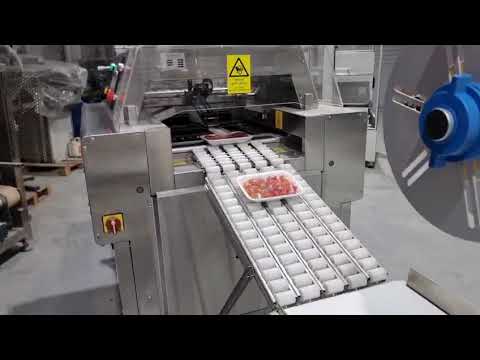
The output of the wrapper and the loading rate of the cartoner must match. A wrapper that runs faster than the cartoner can load causes accumulation, and packs may be damaged while waiting. A cartoner that runs faster than the wrapper supplies packs produces empty carton positions and stoppages. Buffers, conveyors and transfer sections balance the flow between the two machines.
The handover also covers control signals, discharge height and pack orientation at the transfer point. Machines from different suppliers can be connected, but the interface requires engineering review. Responsibility for integration, testing and after-sales support should be agreed in writing before the order is placed.
Machine Ranges, Options and Changeovers
The table below compares the two horizontal cartoners on the specifications.
| Specification | MKH-3 | MKH-4 |
| Motion | Flexible horizontal cartoner for short runs and multi-product operation | Continuous, side-loading, servo control on every axis |
| Carton size, minimum | 100 × 20 × 10 mm | 100 × 40 × 20 mm |
| Carton size, maximum | 330 × 200 × 110 mm | 330 × 220 × 110 mm |
| Changeover | 5 to 10 minutes, depending on product | Feeding system separates within one second |
| Feeding | Manual or automatic | Automatic feeding with infeed conveyor |
| Closure options | Hot-melt glue; tuck-in; combined tuck-in and glue | Hot-melt glue; irregular carton shapes on request |
| Air supply | 6 bar operating pressure | 6 bar operating pressure |
| Remote support | Camera with real-time video and remote access | Camera with real-time video and remote access |
Values come from the product pages and depend on configuration. The team confirms the final values for your carton and pack during the review.
Choosing a Cartoning Setup
Start with the pack: its dimensions, weight, fragility and the number of packs per carton. The carton style, board grade and closure method come next. The required carton rate depends on the output target and on the number of wrappers feeding the cartoner. The number of carton formats and the frequency of changeovers decide the feeding system and the magazine setup. Floor space and conveyor layout complete the picture.
| Requirement | Information to prepare |
| Pack | Dimensions, weight and fragility |
| Carton | Length, width, height, style, board grade and a blank sample |
| Pack pattern | Packs per carton and orientation |
| Output | Target cartons per shift and upstream rate |
| Infeed | Wrapper model and discharge arrangement |
| Loading | Preference for pusher or pick-and-place loading |
| Changeovers | Number of carton and pack formats per week |
| Layout | Floor space and conveyor layout drawing |
Sample packs and carton blanks let our team check fit before a quotation is prepared.
Talk to Our Team About Your Biscuit Cartoning Line
Send your pack dimensions, carton samples, upstream rate and output target through our contact page. Our team will review the application, confirm the motion pattern and loading method that suit your line, and recommend a cartoning setup. Contact us to arrange a consultation.
Frequently Asked Questions
Which carton styles can the machines close?
The MKH-3 offers tuck-in closure and a combined tuck-in and glue closure. Both machines use a hot-melt glue system, and the MKH-4 can form irregular carton shapes as an option. The final style depends on the blank design and the board. Send a blank sample, and our team will confirm which style your machine can run.
How many cartons per minute can a biscuit line expect?
The MKH-3 is rated for up to 40 cartons per minute, and the MKH-4 for up to 120. These are maximum ratings for the configurations described on the pages. Actual output depends on the number of packs per carton, the infeed rate and the feeding method. We estimate line output from trials with your packs and your feed.
Can one machine handle several pack sizes?
Both machines accept the carton size ranges in the table above. The MKH-3 changeover takes 5 to 10 minutes, depending on the product. The MKH-4 feeding system can be separated within one second, which speeds up feeding changes. The total changeover depends on the change being made, so our team will confirm the steps for your formats.
Does the cartoner have to come from the same supplier as the flow wrapper?
No. The machines must match in pack transfer, timing, output and controls. Integration may need conveyors, sensors or control interfaces. Responsibility for integration, testing and support should be agreed before purchase.