Aseptic filling is the step where a sterilized food product enters sterilized packaging, and the package is closed before anything can contaminate it. The aim is a food that stays stable without refrigeration until someone opens it. That result depends on how the product is treated, how the package is prepared and how well the filling stage protects both.
IMPAC’s bag filling machines include the ABF, a semi-automatic machine that opens, fills and caps pre-closed aseptic bags. This guide explains the full aseptic sequence first, then shows where a machine like the ABF fits inside it.
Aseptic Filling Step by Step
- Preparing and Sterilizing the Food Product
The food is treated separately, before it reaches the filler. The goal is commercial sterility (a condition in which no microorganisms able to grow in the food remain under normal, non-refrigerated storage). Many liquid foods reach it through heat. UHT treatment (ultra-high temperature, a brief exposure to very high heat followed by fast cooling) is one example.
No single time and temperature suits every food. The right treatment depends on acidity (measured as pH), composition, viscosity (how thick the product is) and any particles. Low-acid foods, those with a pH above 4.6, generally need the closest control.
- Preparing the Packaging and Filling Equipment
The package, its closure and every surface the product touches also need to reach a sterile condition. Packaging systems differ in how they get there. Methods include steam or other heat, chemical sterilants such as hydrogen peroxide and peracetic acid (a strong disinfecting chemical), and radiation.
Some packages, such as bags, arrive already sterilized by the supplier. Others are sterilized on the line. Requirements vary with the package format, so we suggest discussing your bag supply with our team of experts early.
- Filling the Product Without Recontamination
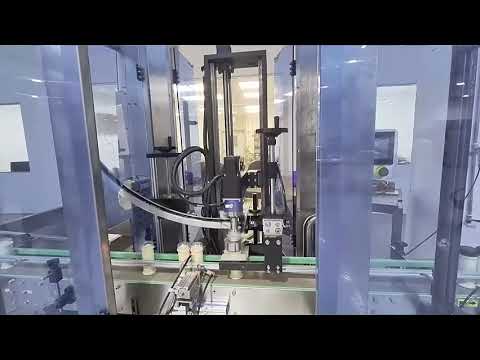
Here the treated product meets the prepared package. The product travels through a protected path, and the package opening should stay exposed only for as long as the fill requires.
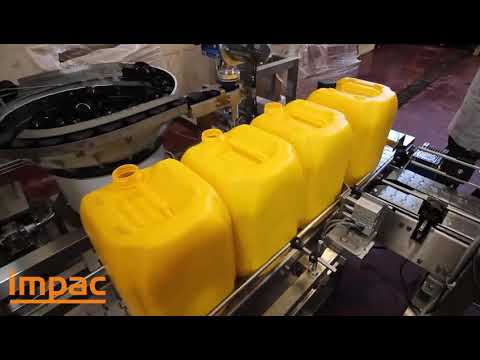
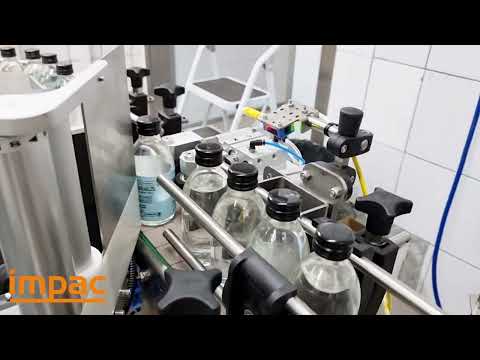
On our ABF semi automatic machine, the operator attaches the bag to the machine’s clamp. The machine removes the cap, fills the bag and puts the cap back on. A flowmeter (a device that measures how much liquid passes through) controls the quantity. The ABF handles the bag opening, filling and capping. Product treatment and bag sterilization are separate parts of an aseptic system, and our team can explain how the ABF fits into yours.
- Closing and Protecting the Filled Package
A hermetic closure (one designed to keep microorganisms out) protects the product after filling. A package can only preserve the product if its closure holds, so the cap, fitment and seal deserve as much attention as the filling itself. On the ABF, the machine seals the bag with its own cap after filling.
What Happens if Aseptic Conditions Are Interrupted?
Producers refer to critical factors, the settings that must stay within limits for sterility to hold. If one drifts outside its limit, the affected production may be compromised. The line may stop and the product from that period may be set aside for evaluation. Equipment may also need cleaning and re-sterilizing before work resumes. The exact response follows the validated process (one whose performance has been tested and documented) and the regulations that apply to your plant.
Why Aseptic Products Last Without Refrigeration
Aseptic packaging of food allows products to remain stable at room temperature because three things are controlled together: the food, the package and the closure. An airtight bag alone does not preserve anything. The contents must be commercially sterile before they go in.
The Role of Commercial Sterility
Commercial sterility does not mean every microorganism is gone under every possible condition. It refers to the microorganisms that matter for public health, together with those able to grow in that food under its intended storage conditions. The same idea applies to equipment and containers. They are treated so that nothing capable of growing in the food comes into contact with it.
Packaging Barriers and Closure Integrity
The package has two jobs after filling. The packaging material helps protect the product from oxygen, light and moisture, which can affect its quality. Its closure keeps microorganisms from entering. A weakness in either can shorten the useful life of the product.
What Determines Shelf Life?
No single figure applies to every aseptic food. The factors include:
- Product formulation and acidity
- Processing conditions
- Barrier properties of the package
- Closure integrity
- Storage temperature and conditions
- The producer’s own validated shelf-life testing
Shelf-life estimates apply to unopened packages. After opening, the original barrier is gone, and the product may then need refrigeration.
Aseptic vs. Hot Fill vs. Standard Filling
These three terms describe different approaches, and they are not interchangeable. Hot filling (filling the product at high temperature, then sealing and cooling) is often used for high-acid products such as juices. Standard filling is a broad label, because its preservation method depends on the product.
| Factor | Aseptic filling | Hot filling | Standard filling |
| Product treatment | Treated to commercial sterility before filling | Heated and filled hot, using a process designed for that product | Depends on the product’s preservation method |
| Packaging | Prepared for aseptic use | Must withstand the filling temperature | Depends on the product and filler |
| Filling conditions | Controlled to maintain sterility | Hot product, with closure planned around the heat | Not necessarily sterile |
| Preservation | Commercial sterility and package integrity | Heat, product characteristics and closure | May rely on refrigeration, preservatives or pasteurization (a milder heat treatment) |
| Refrigeration | May not be needed before opening | Depends on product and validated process | Often needed for perishable foods, though not in every case |
Neither a hot-filled nor a standard-filled product is automatically shelf-stable or automatically perishable. The validated process decides.
When Should a Food Manufacturer Consider Aseptic Processing?
Several questions tend to guide the decision. How heat-sensitive is the product? How far and how long will it travel? What shelf life do customers expect? Which package format fits the market, and what production scale is planned? Aseptic processing is not automatically better or cheaper than hot filling, so the answers to these questions matter more than the label.
Packaging Formats for Aseptic Products: Bags, Bag-in-Box and Drums
Aseptic Bags
Bags connect most directly to our work. Our ABF suits liquids, gels and creams, both uniform and non-uniform, such as sauces and soups. It works with two bags at the same time, which raises output. It comes in configurations for filling bags either vertically or horizontally.
The ABF has a stainless steel body. Parts that touch the product are stainless steel and plastic authorized by the FDA for food use. With any aseptic bag, the filling opening, the cap or fitment (the fitting attached to the bag) and the closure all affect how well the filled package holds up.
Bag-in-Box Packaging
In this format, a flexible inner bag sits inside a protective outer carton. The bag carries a fitment or valve that connects to the filling equipment. That connection must match the bag’s fitment and suit the sterile process, so the bag and the filler need to be chosen together.
Aseptic Drums for Bulk Food Products
Drums serve producers who store or move large quantities of processed ingredients, sauces or concentrates. Not every drum-filling system is aseptic. The drum, any liner, the filling connection and the closure must all suit an aseptic process. If bulk formats are part of your plan, please contact our team of experts to discuss the requirement.
Talk to Our Filling Experts
We can review your product, bag format, cap type and production process, and explain how the ABF would fit into your aseptic line. Contact IMPAC for a consultation, and one of our filling machine experts will help you plan the right setup.
Frequently Asked Questions
Does the filling machine sterilize the product itself?
Generally, no. Product sterilization normally happens upstream, in separate equipment, and the filling machine transfers the treated product into the prepared package. Our ABF handles the bag opening, filling and capping steps. To see how it would sit alongside your own sterilization equipment, please contact our team of experts.
Which foods are commonly filled aseptically?
Milk and dairy drinks, fruit juices and concentrates, soups, sauces and purees are common examples. Our ABF is built for liquids, gels and creams, including sauces and soups, in uniform and non-uniform forms. Suitability for a specific recipe depends on testing and configuration, so send us your product details and we will advise.
How long can aseptically filled products be stored?
There is no single period that applies to every product. Storage life depends on the recipe, the validated process, the barrier of the package and the quality of the closure, and it refers to unopened packages stored under the stated conditions. Your own shelf-life testing gives the reliable figure. For questions about how the ABF fits into that testing, please contact our team of experts.
What maintenance does an aseptic filling machine need?
General practice includes regular cleaning, inspection of seals, gaskets and connections, and periodic checks of the flowmeter. On our ABF, the parts come apart and go back together easily for daily cleaning. For service intervals, spare parts, cleaning agents and any sterilization requirements for your setup, please contact our team of experts.