Packaging machine downtime is measured not only by the minutes a machine is idle, but also by the product that builds up in front of it and the orders that leave the plant late. In facilities where packaging is the final step before shipping, a 30-minute stoppage can affect everything that follows. Preventive maintenance shifts maintenance from a reactive response to a planned part of the production schedule, allowing the work to be planned rather than handled during an unplanned stoppage.

What Is the Difference Between Preventive and Breakdown Maintenance?
Breakdown maintenance begins when something goes wrong. It includes the time needed to diagnose the problem, wait for the repair, and restart the machine. Preventive maintenance, by contrast, is carried out according to a planned schedule, at a predetermined time when the machine is accessible and safe to service. The main difference is not necessarily the amount of work involved, but when the work is performed and whether the timing is planned.
Planned maintenance also allows several tasks to be completed during the same scheduled stoppage. Wear checks, cleaning, calibration, and spare parts inventory checks can be carried out together instead of requiring four separate stoppages during the month. A well-planned maintenance program can therefore reduce both the number of stoppages and the time spent on them.
Which Packaging Machine Components Require Regular Maintenance?
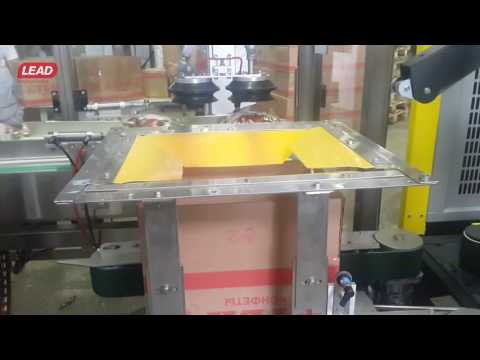
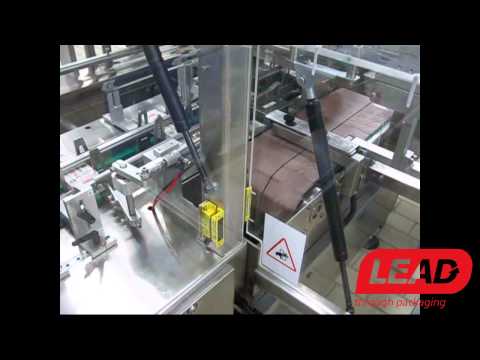
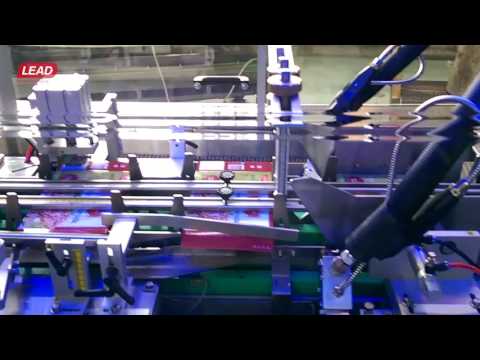
Wear tends to occur in packaging machine components exposed to repeated contact, heat, or rapid movement. These include packaging material feed mechanisms, gripping components at the loading station, belts and conveyors, and cutting and folding elements on machines that operate from a roll.
These components should be included in the maintenance plan and monitored regularly.
▪ Feeding and separation mechanisms for packaging material sheets
▪ Product gripping and holding components at the loading station
▪ Conveyor belts, bearings, and drive wheels
▪ Cutting and folding elements in machines that operate from a roll
▪ Sensors and photoelectric cells that can be affected by dirt
In practice, some faults that appear to be mechanical may actually be caused by dirt. Cardboard residue, product dust, and accumulated oil can interfere with sensor readings and cause the machine to stop even when there is no actual mechanical fault. Regular cleaning should therefore be treated as part of routine maintenance rather than as a separate task.
How Should Maintenance Be Scheduled Around Production?
A maintenance program works better when it is coordinated with the production schedule. A practical approach is to schedule maintenance when the line is already stopped, such as during format changes, cleaning between products, at the end of a shift, or on a day without production. A short maintenance task carried out during a format change can avoid the need for a separate maintenance stoppage, while the same task performed in the middle of a production run may require additional downtime.
Maintenance intervals should be based on the manufacturer’s instructions and the machine’s actual operating hours rather than on a general calendar. A machine operating one shift a day and one operating three shifts can reach the same number of cycles at very different rates. A schedule based only on calendar dates may therefore call for maintenance too early on one machine and too late on another.
How Should You Determine Which Spare Parts to Keep in Stock?
An effective spare parts inventory does not have to be large. It should focus on components whose absence could have a significant impact on production. The relevant factor is not simply the price of the component, but what happens if it is unavailable.
A low-cost component that could stop a line for a week may be more important to keep in stock than an expensive component for which a temporary alternative is available. It is therefore useful to classify components according to their expected lead time and the impact their absence could have on production, rather than simply by catalog classification.
| Action | When to perform | What does it help prevent? |
| Cleaning sensors and product paths | Every time you change the format or clean the machine | False stops and feeding faults |
| Wear testing on gripping components | Based on cumulative working hours | Product damage and improper packaging |
| Checking belts and conveyors for stretching and wear | At a planned stop | Slippage, product deviation, and line stoppage |
| Calibration after component replacement | Immediately after the replacement is completed | An entire series being packed with deviations |
| Checking critical spare parts inventory | On a regular basis | Long waiting times for replacement during a malfunction |
In addition to maintaining inventory, it is useful to document every maintenance task and malfunction. After a few months, these records can show which components repeatedly require attention and help determine whether an issue is related to normal wear or to setup and operating conditions.
How Does Machine Design Affect Maintenance Requirements?
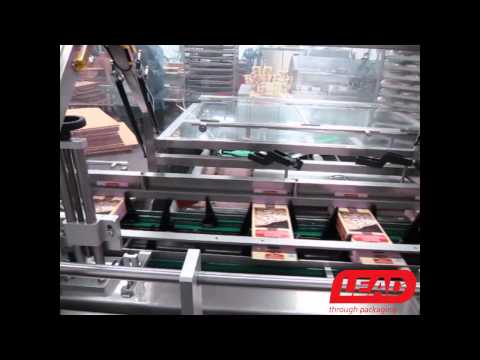
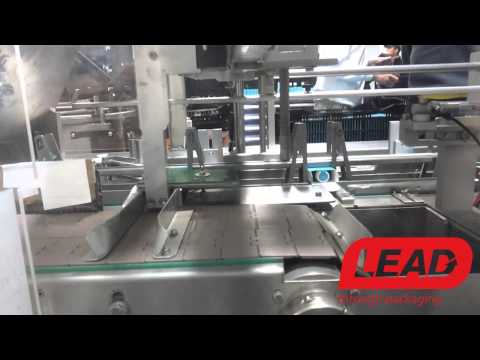
Maintenance requirements are influenced partly by the machine’s design and accessibility. A machine that provides good access for service, allows feed components to be separated quickly, and supports cleaning without unnecessary disassembly can reduce the time required for routine maintenance throughout its service life. The MKH-4 cartoner’s feed system can be separated in one second, showing how quick access to machine components can affect routine maintenance time. Impac designs and manufactures its machines itself, allowing accessibility and cleaning requirements to be considered during machine specification rather than only after installation.
How Does Preventive Maintenance Fit into an Automated Packaging Line?
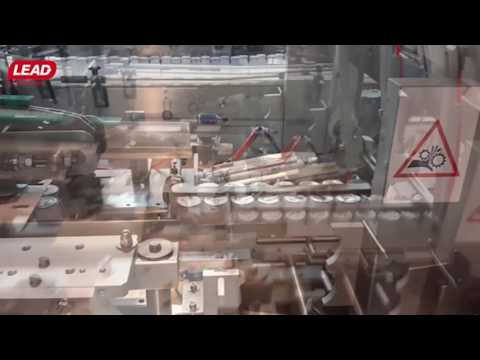
In an automated packaging line, a stoppage at one station can stop the entire sequence, making an unplanned stoppage more disruptive than it would be on a stand-alone machine. For this reason, maintenance should be planned at the line level rather than for each machine in isolation. Maintenance tasks for several stations can be combined within the same scheduled stoppage, while priority can be given to stations that do not have a bypass. A station that affects a carton in the middle of the sequence has a different priority from a station that can be temporarily bypassed.
Automated packaging machines can also provide useful operating information, including cycle counts, stoppages, and recurring faults. Even without an advanced monitoring system, recording these figures at the end of each shift can provide a numerical basis for determining maintenance intervals rather than relying only on the crew’s judgment.
The transition from responding to faults to planned maintenance does not happen overnight. A practical approach is to start with the station that accounts for the longest downtime on the line, develop a maintenance plan for it, and then expand the approach to the other stations. This allows the results to be measured early before applying the same approach to other stations.
What Is the Operator’s Role in the Maintenance Program?
Some actions that help prevent downtime do not require a technician. End-of-shift cleaning, visual inspection of belts and gripping areas, and reporting unusual noise or movement can all be part of the operator’s daily work. These observations can be useful because operators spend time working with the machine and may notice changes before they develop into a malfunction.
For this to work, there needs to be a clear person or process for reporting issues, and the reports need to be documented. A short end-of-shift checklist with space for comments can turn operators’ observations into useful maintenance data. Without documentation, the same fault may continue to recur without being properly addressed.
Key Takeaways for Packaging Machine Maintenance
Reducing downtime starts with shifting from reactive maintenance to planned maintenance: identifying components that are subject to wear, scheduling maintenance around existing stoppage points, setting intervals based on actual operating hours, and documenting maintenance activities systematically. A well-planned preventive maintenance program can help reduce both the number of stoppages and the time spent on them, while machines designed with good service accessibility can make routine maintenance easier. Contact Impac’s engineering team to discuss which accessibility, disassembly, and cleaning features are appropriate for your production requirements from the machine specification stage.