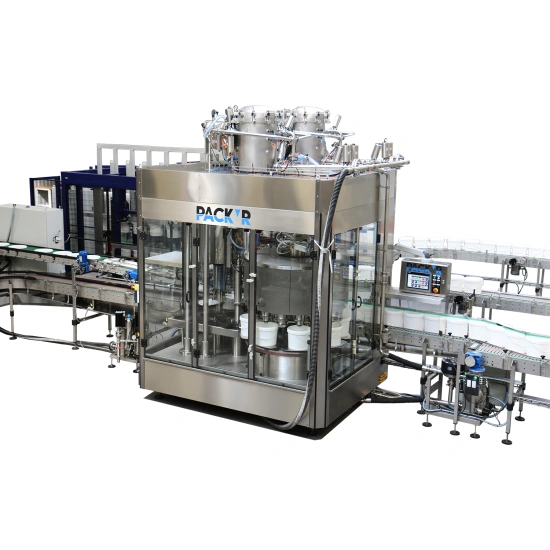
How to choose a packaging machine for an industrial production line

The first packaging conversation with a supplier begins with the same question: exactly what are you packaging, and at what rate. In many plants, the answer exists בראש of the production manager but is not written down, and so the selection of a packaging machine begins with partial data. This gap is revealed later, when it turns out that the chosen machine is suitable for only one product out of five running on the line. The way to reduce this is to build the packaging specification before approaching the supplier, not during the process.

What do you need to know before you inquire about a machine?

Packaging starts with three data points that determine almost everything: what goes into the package, what the final package shape is, and at what rate the line must operate throughout the shift. Around them, a second layer of operational data is built, which affects cost and actual throughput at least as much as the machine itself.

▪ The product shape, weight, and sensitivity to pressure during the loading stage

▪ The final package type: cardboard box, shrink wrap, tray, or Master carton

▪ The number of formats that will run on the same machine, and the frequency of changeovers between them

▪ The required throughput in a full shift, not just the peak momentary rate

▪ Downstream stations on the line: bundling, weighing, labeling, and palletizing

In this list, the item people are most likely to skip is the number of formats. A factory that produces one product can focus the choice on speed, whereas a factory that produces ten products in different sizes will gain more value from flexibility. The two requirements lead to different solutions, and sometimes to different models within the same machine family.

How does the package type determine the machine type?

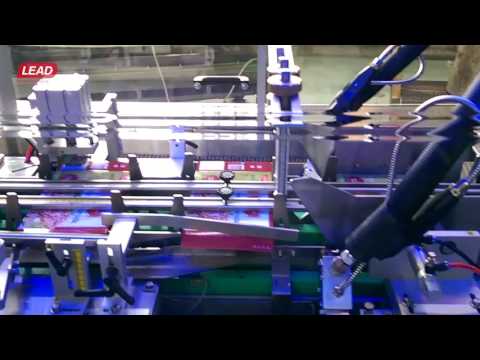
The practical classification in the packing machine catalog is not by industry but by the type of packaging the machine produces. Cartonetta builds a cardboard box and loads the product into it, wraparound applies a number of units in a single band for bundling, a Master case packer builds or fills a master carton, and a Flowpack horizontal packaging machine wraps a single product in a roll-fed bag. The table below maps the basic correspondence and serves as a starting point for discussion with the process engineer.

The final packaging

Machine type

Impac catalog models

Standalone carton box

Horizontal Cartonetta

MKH-4, MKH-3

Roll-fed bag for a single product

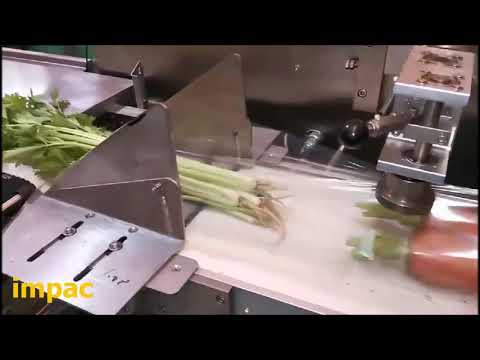
Flowpack horizontal packaging

For fruits, vegetables, chocolate and bread

Bundling of units in wraparound

Stacking wraparound bundler

MP-50, MP-10, MP-70

Master case packer for shipping

Case packer and palletizer

CW-01, 68-FD

Carton feeder

Carton feeder setup and packing into it

TL-01, TP-01

Automatic tray loading

Pick and Place in servo drive

PK-01

In practice, a complete line combines several of these machines in sequence. A single product is packed in a carton, tied in shrink wrap and inserted into the master carton, and every transition between stages is a point where manual handling can be eliminated or a new bottleneck can be created. Therefore, the choice is not a standalone machine but a line.

Why is throughput in a shift more important than the peak rate?

Peak rate is measured under laboratory conditions, with a single product and no interruptions. Shift throughput measures what actually comes off the line, and the difference between the two is made up of format changeovers, cleaning between products, feed interruptions, and short stoppages that are hard to see in a brochure. A packaging machine that reaches a high rate but requires a long setup at every changeover can produce less in a shift than a slower machine that changes formats quickly.

In addition, the machine rate is limited by the rate of the station before it and the station after it. There is no point doubling the speed of the bundling station if the upstream loading station does not supply the product at the same rate. In an automatic packaging line, the deciding factor is the rate of the slowest machine in the line.

What is actually checked in the interface between the machine and the existing line?

A new machine is inserted into a line that is already operating, so part of the focus is on the boundaries rather than on the machine itself. The infeed and outfeed conveyor heights, the infeed rate that the previous machine can supply, the clearance around the machine needed for operation and cleaning, and the control interface with the existing line controller all determine whether the installation is a simple hookup or an engineering project.

From an operational standpoint, it is also worth checking how much the machine allows for future changes. The MKH-4 carton feeding system can be separated within one second, which makes it possible to connect feed changes without touching the machine body. Such a feature may seem marginal in the specification, but it becomes significant on the day a new package size is added to the recipe.

Where does the custom fit come into the picture?

Some of the parameters are answered by the catalog model, and some are not. A product with an unusual shape, a carton that was closed by the sales team without checking mechanical feasibility, or a line with no physical space for a standard-size machine lead to a tailored solution. Impac has been designing and manufacturing packaging machines since 1974, and each project is built from the final package backward into the line, so the machine is designed around the product rather than the other way around.

This approach is also evident in existing models. The CW-01 packer works with Harness, 5-panel, and wrap around cartons, and can reach a rate of up to 20 cartons per minute depending on the product and size. This range is not a limitation but the result of adaptation: the same machine family covers very different carton formats.

In addition to the physical interfaces, it is worth defining in the specification what happens when the line stops. Automatic packaging machines integrated into a continuous process need to know when to wait if the upstream machine has been blocked, and when to resume operation without manual intervention once the blockage is cleared. Early definition of this behavior prevents unnecessary stoppages in the first weeks after installation, and avoids a situation in which the operator manages two control systems in parallel.

An additional consideration that often tips the scales in its favor is routine maintenance. A machine that is accessible from all sides, whose feeding components can be easily dismantled and cleaned without extensive disassembly, requires less downtime over the years of its operation. This parameter does not appear in the technical specification, but it is felt every week, so it is worth asking, in the tender, where the technician stands during maintenance and which operations can be performed without dismantling.

How do you compare the accepted proposals?

When several proposals arrive, the comparison tends to focus on price and rate, because it is easy to put those two numbers side by side. In practice, the real difference between proposals is usually found in what is included: the number of format parts, changeover stations, drive configuration, and team training. A cheap proposal that does not include format parts for all products in the quotation becomes more expensive already in the first year.

Therefore, it is worth building a comparison table in which each proposal is converted to the same scope of work. A packaging machine that comes with parts for three formats and a machine that comes with parts for one format are not the same product, even if their technical specifications look identical. The same principle applies to service and spare parts availability לאורך the machine’s life.

Summary

Choosing a packaging machine starts with a structured specification, not with catalog comparisons. The final packaging determines the type of machine, the number of formats determines the flexibility requirement, and line throughput determines whether the solution meets the target. Contact the Impac engineering team with your product data, packaging, and throughput, and receive a configuration of the solution best suited to your production line.

Questions and Answers

מאיזה נתון מתחילים את אפיון מכונת האריזה?

מתחילים מהאריזה הסופית ועובדים לאחור אל תוך הקו: קופסה יחידנית מובילה לקרטונטה, מארז ריבוי יחידות מוביל למאגדת שרוול, ומארז משלוח מוביל לקייס פאקר. רק אחרי שנקבע סוג המכונה נגזרים ממנה שיטת ההזנה וקצב העבודה הריאלי.
האם אפשר לארוז כמה פורמטים על אותה מכונה?

כן, וזו אחת השאלות המרכזיות באפיון. קרטונטה מדגם MKH-3 תוכננה לכוונון מהיר בין גדלי קרטונים ומוצרים שונים, ולכן היא מתאימה למפעלים שמחליפים פורמט לעתים קרובות.

מה משפיע על התפוקה בפועל יותר מקצב המכונה?

מספר החלפות הפורמט בשבוע, זמן הניקוי בין מוצרים והקצב של התחנה האיטית ביותר בקו. מכונה מהירה שמוזנת לאט תעבוד בקצב ההזנה ולא בקצב שלה.

האם מכונת אריזה חצי אוטומטית מתאימה לקו תעשייתי?

כן, כאשר התפוקה הנדרשת בינונית או שהמפעל מייצר מגוון מוצרים רחב שמחייב מעברים תכופים. מכונות אוטומטיות מלאות מתאימות לייצור רציף בתפוקות גבוהות, ושתי הגישות מופיעות זו לצד זו בקטלוג.

מה נדרש כדי לשלב את המכונה בקו קיים?

בדיקה של גובה המסוע, קצב הכניסה, מרווח התמרון סביב המכונה וממשק הבקרה מול הציוד הקיים. ככל שהנתונים האלה נאספים מוקדם יותר, כך ההתקנה קצרה יותר.

More articles

Videos

Search product ▼
All products
Automatic line for bundling yogurt cups in carton packaging
Automatic system for packing frozen meat products in cartons
Automatic line for filling and closing tahini buckets
FLEXEO-P Semi-Automatic IBC Filling and Capping Machine
Automatic system for packing ice cream products in cartons for Fromageries (Pronery)
Automatic system for packing products in cartons for Almandos
Automatic line for filling and capping 25-liter jerry cans
Automatic system for filling and closing containers for Sonol
MKH-3 - Envelopes
TL-01 TRAY ERECTOR
CW-01 Case Packer for Wrap Around Carton Packaging.
MP-50 Continuous Sleeve Bundling Packaging Machine
FD-68
Continuous Horizontal Cartoner (MKH-4)
Carton Tray Packaging Machine (TP-01)
Sleeve Bundler (70-MP)
Continuous Sleeve Bundler (10-MP)
Pick & Place (PK-01)
Machine for closing supplies
FLOWPACK
Cup in special packaging – four-pack
Cup in special packaging – pair
Bottles
Small bottles
Yogurt in a sleeve
Cup – pack of four
Cup – pair
Master carton + side Load
Top Load – top feeding
Master carton side Load
Master carton Top Load
Filling and packaging project
Carton setup and top feeding
Master carton with triple feeding
Pick and place for trays
Tray setup and top feeding
Master carton wrap around
PYTHON - Automatic inline machine for filling and packaging jars
Semi-automatic machine for filling granules by weight
Automatic rotary machine for filling and sealing cups
Liquid filling with pipette sealing
Bottle filling and capping
High-speed bottles (PACKER)
Filling bulk products and packaging them in a bag
Horizontal packaging machine
Aseptic liquid filling in bags
Weighing and filling machine for powders and granules
Automatic line for filling and closing jerrycans
Automatic machine for filling jerrycans at high speed (200 per minute) (PACKER)
Automatic machine for filling buckets at high speed (PACKER)
Semi-automatic filling machine
Automatic for filling drums
Semi-automatic machine for filling cubes and barrels
Packaging fresh cheese cubes in cardboard trays
Tray packer – 2-tier feeding
Tray packer – side feeding
Tray forming with top feeding + stacker
Filling and setting up a tray + side feeding
Tray packer – side feeding
Setting up a box and filling dates
Machines for packaging bottles into cartons
Packaging cream cheese in carton boxes
Honeycomb tray setup
Horizontal Cartoner (MKH-3)
Tuck-in
Frozen food
Ice bag
Ice cream packaging machine
Vertical machine – Flip Top – gum and candies
Toys – box
Box for balls
Carton packaging for tobacco
12 bags of 100g in a box
Packaging up to 120 per minute
Packaging up to 30 per minute
Packaging a long product
Hanging for boxes – Tuck-in
Tissue packaging
2 products in a box
Packaging cans in a box at a speed of 180 per minute
Pick and place – packaging plastic clamshell containers into carton boxes
Pick and place – packaging vacuum coffee bags into RSC cartons
Continuous machine with manual feeding
Feeding cups into a box
Case wrap around
Special yogurt pair
Yogurt in two levels
Tuna – pack of four
Carton packaging for tuna cans – pack of four
Soft can packaging
Packaging cans in groups of three
Partial carton sleeve
Tray packaging into sleeve
Glass bottles
Single cup

Automatic line for bundling yogurt cups in carton packaging

Automatic line for bundling yogurt cups in carton packaging

Automatic system for packing frozen meat products in cartons

Automatic system for packing frozen meat products in cartons

Automatic line for filling and closing tahini buckets

Automatic line for filling and closing tahini buckets

FLEXEO-P Semi-Automatic IBC Filling and Capping Machine

FLEXEO-P Semi-Automatic IBC Filling and Capping Machine

Automatic system for packing ice cream products in cartons for Fromageries (Pronery)

Automatic system for packing ice cream products in cartons for Fromageries (Pronery)

Automatic system for packing products in cartons for Almandos

Automatic system for packing products in cartons for Almandos

Automatic line for filling and capping 25-liter jerry cans

Automatic line for filling and capping 25-liter jerry cans

Automatic system for filling and closing containers for Sonol

Automatic system for filling and closing containers for Sonol

MKH-3 - Envelopes

MKH-3 - Envelopes

TL-01 TRAY ERECTOR

TL-01 TRAY ERECTOR

CW-01 Case Packer for Wrap Around Carton Packaging.

CW-01 Case Packer for Wrap Around Carton Packaging.

MP-50 Continuous Sleeve Bundling Packaging Machine

MP-50 Continuous Sleeve Bundling Packaging Machine

FD-68

FD-68

Continuous Horizontal Cartoner (MKH-4)

Continuous Horizontal Cartoner (MKH-4)

Carton Tray Packaging Machine (TP-01)

Carton Tray Packaging Machine (TP-01)

Sleeve Bundler (70-MP)

Sleeve Bundler (70-MP)

Continuous Sleeve Bundler (10-MP)

Continuous Sleeve Bundler (10-MP)

Pick & Place (PK-01)

Pick & Place (PK-01)

Machine for closing supplies

Machine for closing supplies

FLOWPACK

FLOWPACK

Cup in special packaging – four-pack

Cup in special packaging – four-pack

Cup in special packaging – pair

Cup in special packaging – pair

Bottles

Bottles

Small bottles

Small bottles

Yogurt in a sleeve

Yogurt in a sleeve

Cup – pack of four

Cup – pack of four

Cup – pair

Cup – pair

Master carton + side Load

Master carton + side Load

Top Load – top feeding

Top Load – top feeding

Master carton side Load

Master carton side Load

Master carton Top Load

Master carton Top Load

Master carton Top Load

Master carton Top Load

Filling and packaging project

Filling and packaging project

Carton setup and top feeding

Carton setup and top feeding

Master carton with triple feeding

Master carton with triple feeding

Pick and place for trays

Pick and place for trays

Tray setup and top feeding

Tray setup and top feeding

Master carton wrap around

Master carton wrap around

PYTHON - Automatic inline machine for filling and packaging jars

PYTHON - Automatic inline machine for filling and packaging jars

Semi-automatic machine for filling granules by weight

Semi-automatic machine for filling granules by weight

Automatic rotary machine for filling and sealing cups

Automatic rotary machine for filling and sealing cups

Liquid filling with pipette sealing

Liquid filling with pipette sealing

Bottle filling and capping

Bottle filling and capping

High-speed bottles (PACKER)

High-speed bottles (PACKER)

Filling bulk products and packaging them in a bag

Filling bulk products and packaging them in a bag

Horizontal packaging machine

Horizontal packaging machine

Aseptic liquid filling in bags

Aseptic liquid filling in bags

Weighing and filling machine for powders and granules

Weighing and filling machine for powders and granules

Automatic line for filling and closing jerrycans

Automatic line for filling and closing jerrycans

Automatic machine for filling jerrycans at high speed (200 per minute) (PACKER)

Automatic machine for filling jerrycans at high speed (200 per minute) (PACKER)

Automatic machine for filling buckets at high speed (PACKER)

Automatic machine for filling buckets at high speed (PACKER)

Semi-automatic filling machine

Semi-automatic filling machine

Automatic for filling drums

Automatic for filling drums

Semi-automatic machine for filling cubes and barrels

Semi-automatic machine for filling cubes and barrels

Packaging fresh cheese cubes in cardboard trays

Packaging fresh cheese cubes in cardboard trays

Tray packer – 2-tier feeding

Tray packer – 2-tier feeding

Tray packer – side feeding

Tray packer – side feeding

Tray forming with top feeding + stacker

Tray forming with top feeding + stacker

Filling and setting up a tray + side feeding

Filling and setting up a tray + side feeding

Tray packer – side feeding

Tray packer – side feeding

Setting up a box and filling dates

Setting up a box and filling dates

Machines for packaging bottles into cartons

Machines for packaging bottles into cartons

Packaging cream cheese in carton boxes

Packaging cream cheese in carton boxes

Honeycomb tray setup

Honeycomb tray setup

Horizontal Cartoner (MKH-3)

Horizontal Cartoner (MKH-3)

Tuck-in

Tuck-in

Frozen food

Frozen food

Ice bag

Ice bag

Ice cream packaging machine

Ice cream packaging machine

Vertical machine – Flip Top – gum and candies

Vertical machine – Flip Top – gum and candies

Toys – box

Toys – box

Box for balls

Box for balls

Carton packaging for tobacco

Carton packaging for tobacco

12 bags of 100g in a box

12 bags of 100g in a box

Packaging up to 120 per minute

Packaging up to 120 per minute

Packaging up to 30 per minute

Packaging up to 30 per minute

Packaging a long product

Packaging a long product

Hanging for boxes – Tuck-in

Hanging for boxes – Tuck-in

Tissue packaging

Tissue packaging

2 products in a box

2 products in a box

Packaging cans in a box at a speed of 180 per minute

Packaging cans in a box at a speed of 180 per minute

Pick and place – packaging plastic clamshell containers into carton boxes

Pick and place – packaging plastic clamshell containers into carton boxes

Pick and place – packaging vacuum coffee bags into RSC cartons

Pick and place – packaging vacuum coffee bags into RSC cartons

Continuous machine with manual feeding

Continuous machine with manual feeding

Feeding cups into a box

Feeding cups into a box

Case wrap around

Case wrap around

Special yogurt pair

Special yogurt pair

Yogurt in two levels

Yogurt in two levels

Tuna – pack of four

Tuna – pack of four

Carton packaging for tuna cans – pack of four

Carton packaging for tuna cans – pack of four

Soft can packaging

Soft can packaging

Packaging cans in groups of three

Packaging cans in groups of three

Partial carton sleeve

Partial carton sleeve

Tray packaging into sleeve

Tray packaging into sleeve

Glass bottles

Glass bottles

Single cup

Single cup

No results found