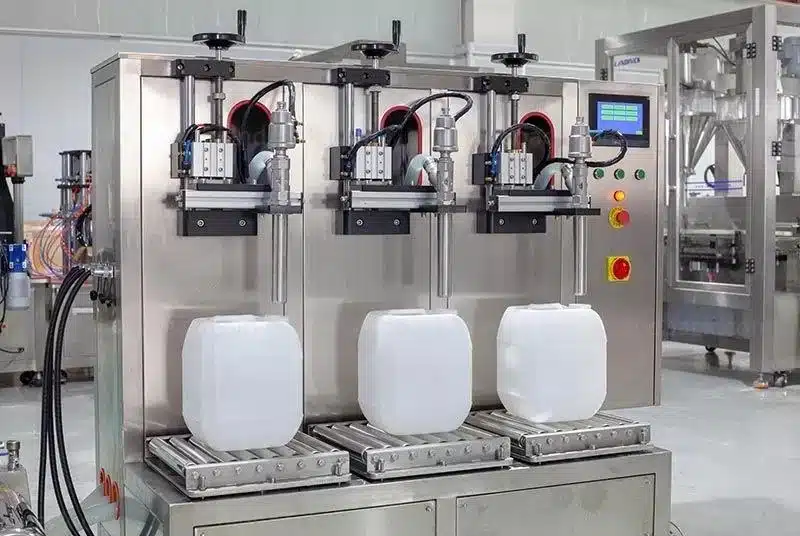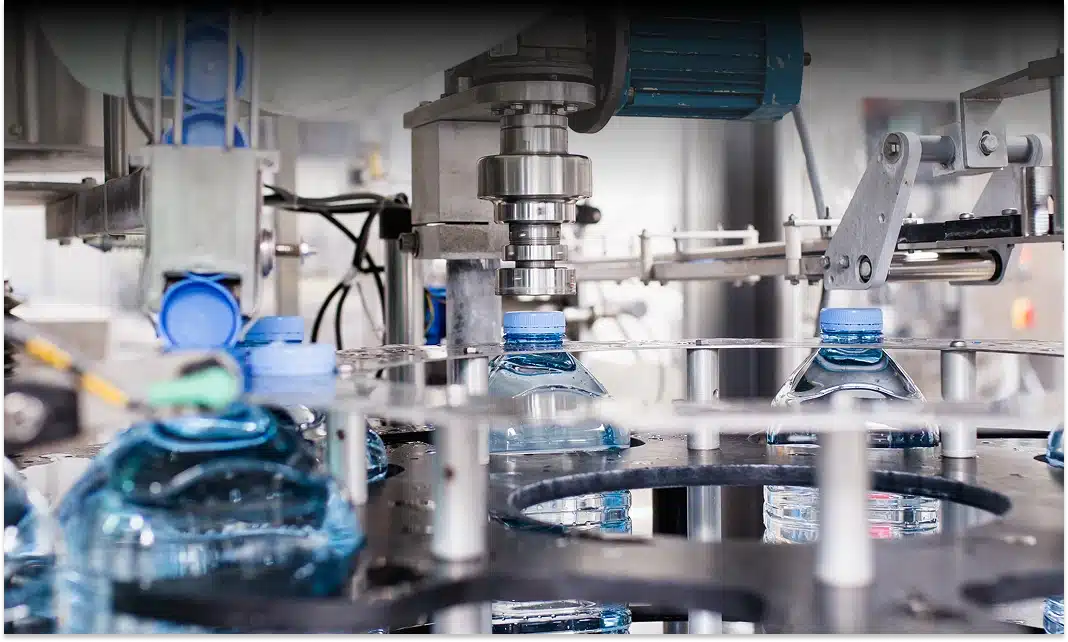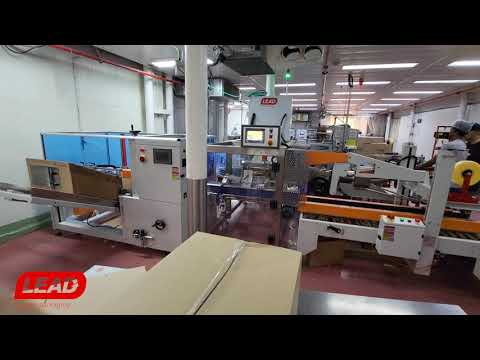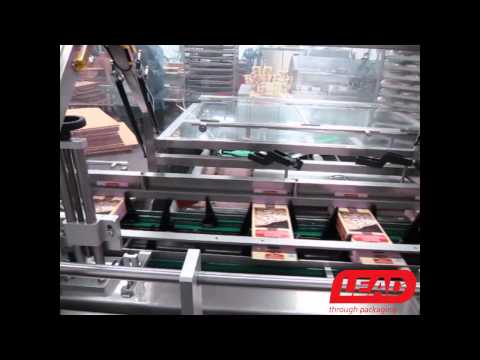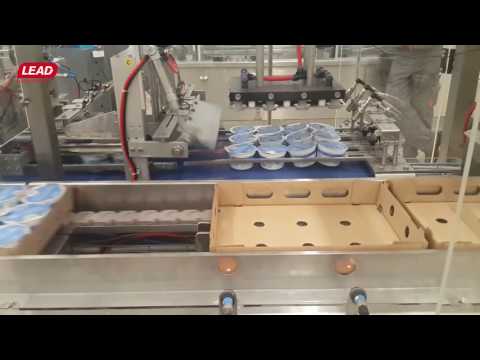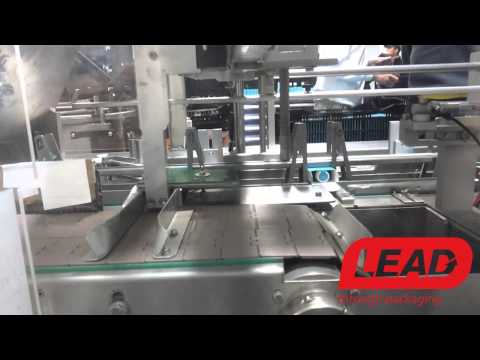
Tahini is a highly viscous product, so its filling process requires precision, reliability, and a filling system specifically designed for the product. When filling 10- and 17-liter buckets, the system must handle large quantities of product while maintaining accurate filling, product quality, and production continuity.
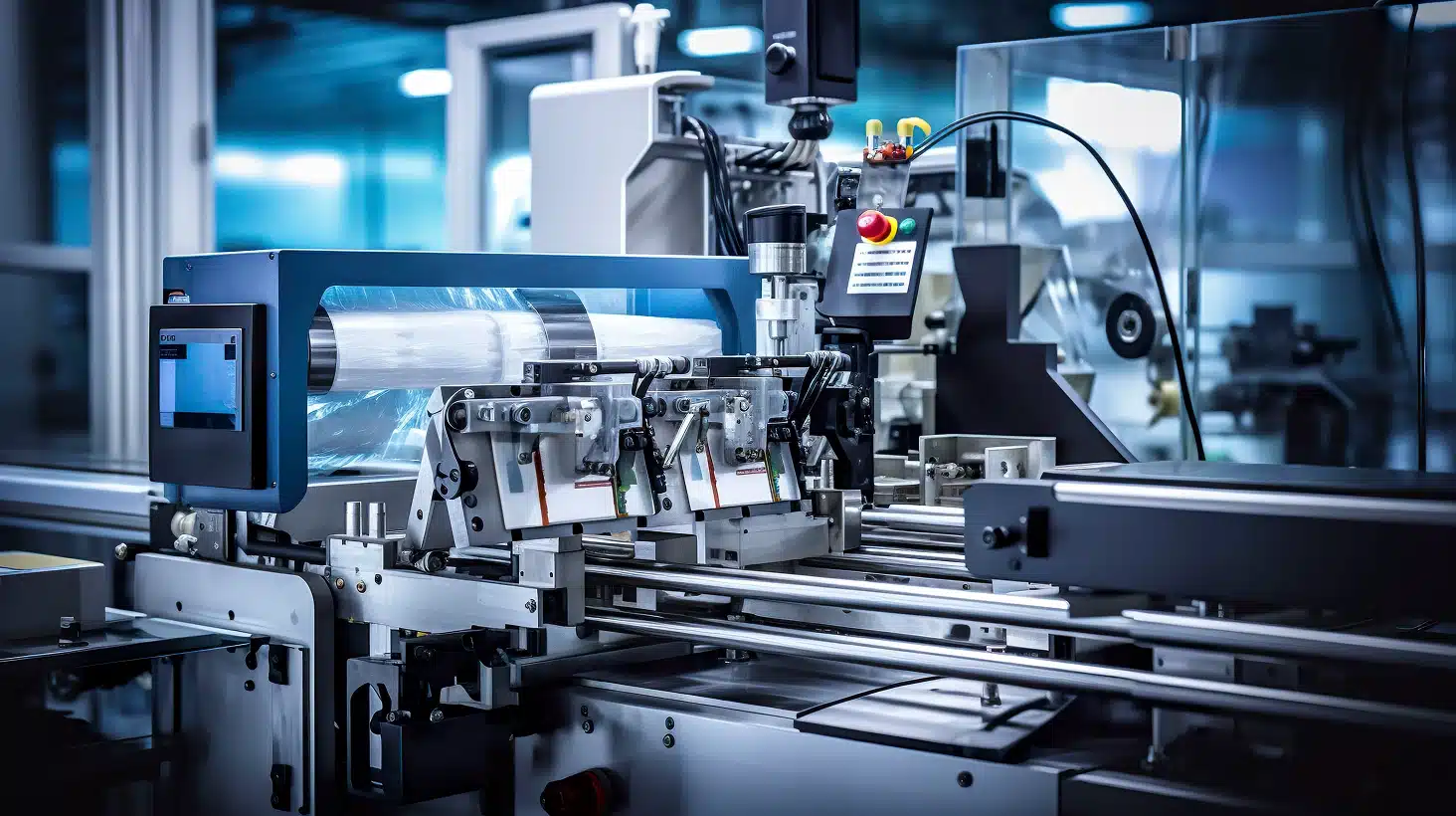
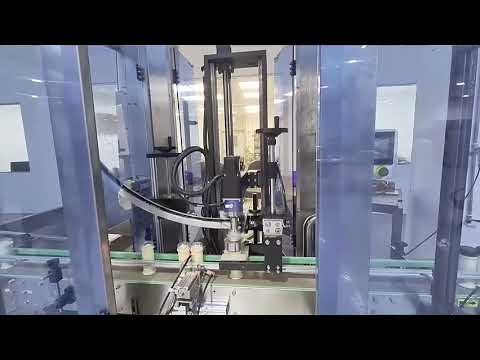
An automatic tahini filling line provides a complete solution for all stages of the process, from feeding empty buckets into the production line and accurately filling them to sealing the product, closing the lids, and preparing the product for further packaging and distribution.
Automatic Bucket Feeding
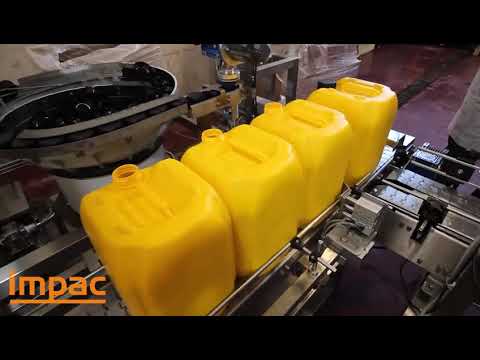
The process begins with an automatic feeding system that introduces empty buckets into the production line and precisely positions each bucket at the filling station. This automation supports a continuous workflow, reduces the need for manual intervention, and enables stable operation during extended production periods.
Accurate Filling for High-Viscosity Products
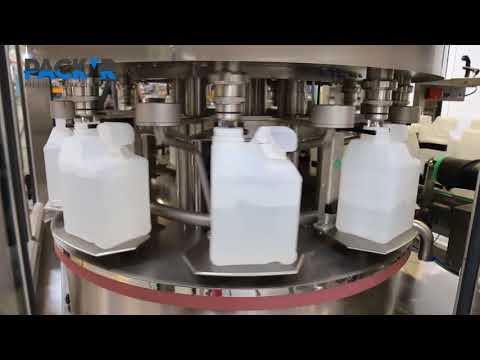
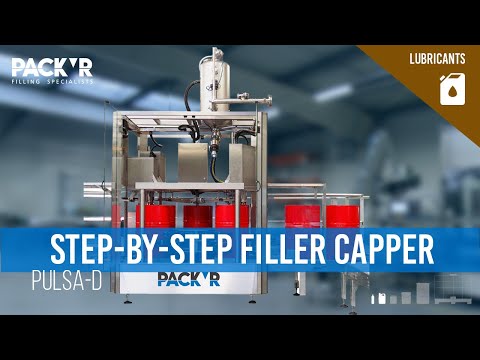
Tahini requires a filling system specifically designed for thick products. The filling system controls the product flow during filling and maintains uniform filling throughout each work cycle without compromising the product’s texture.
The line is capable of reaching an output of 6 to 10 buckets per minute, depending on the bucket volume and product characteristics, while maintaining high accuracy and reducing raw material waste.
Foil Sealing
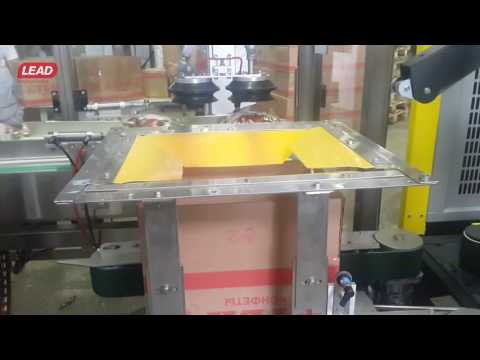
After filling, the buckets move to an automatic sealing station, where a sealing foil is placed and heat-sealed over the bucket opening. This step is designed to prevent tahini leakage during transportation and storage, maintain product freshness, and provide a consistent seal in accordance with food industry requirements.
Foil sealing provides an additional layer of protection before the lid is closed and is an important part of the final packaging process.
Automatic Lid Feeding and Closing
After the foil is sealed, the buckets proceed to the lid-closing station. An automatic lid-feeding system continuously supplies the lids, and the machine places and closes them accurately and uniformly.
This process supports consistent lid closing, reduces the risk of human error, and enables continuous operation even at high production rates.
Advantages of the Line
- Full automation for maximum efficiency
- Automatic foil sealing to prevent product leakage
- Automatic lid feeding and precise closing
- Stainless steel structure designed for food industry applications
A Complete Solution for Tahini Manufacturers
One of the main advantages of the line is the integration of all process steps into a single system. Bucket feeding, filling, foil sealing, and lid closing operate in synchronization, supporting a continuous, reliable, and high-quality production process.
The system is designed for extended operation in an industrial environment while meeting the strict hygiene requirements of the food industry and providing flexibility to adapt to the manufacturer’s various needs.
Conclusion
An automatic line for filling tahini into 10- and 17-liter buckets provides a complete solution for food manufacturers looking to combine precision, reliability, and advanced automation. From feeding the buckets and filling them at a rate of up to 10 buckets per minute to sealing the foil and automatically feeding and closing the lids, the process steps are carried out within a single system, supporting consistent product quality and operational efficiency.