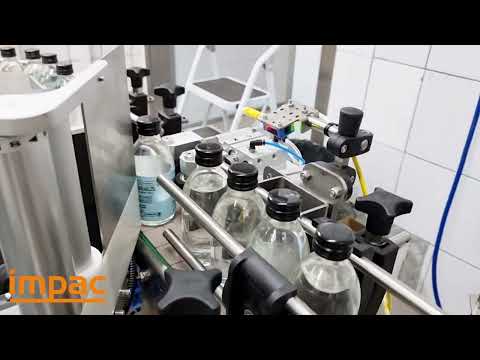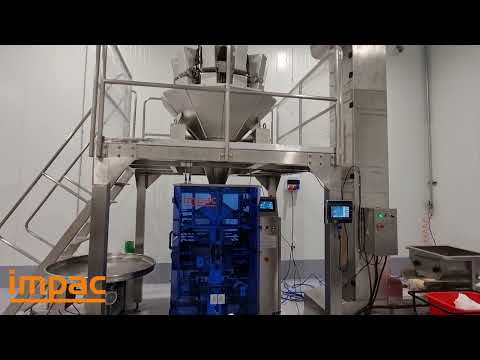
A wide variety of liquid and viscous food products, such as beverages and other products, require filling, packaging, and storage in glass or plastic bottles. Among bottled products, you can find juices, water, alcoholic beverages, dairy products, cosmetics, sauces, oils, and spices. In addition, other cleaning and chemical materials also require the bottling filling and packaging process. Today, with the high demand for filling and packaging these products, manufacturers are required to use efficient filling and bottling machines to meet market requirements in the best possible way.
In this article, we will take an in-depth look at the bottle filling process, how it works, and what capabilities modern filling systems offer.
What is the bottle filling process?
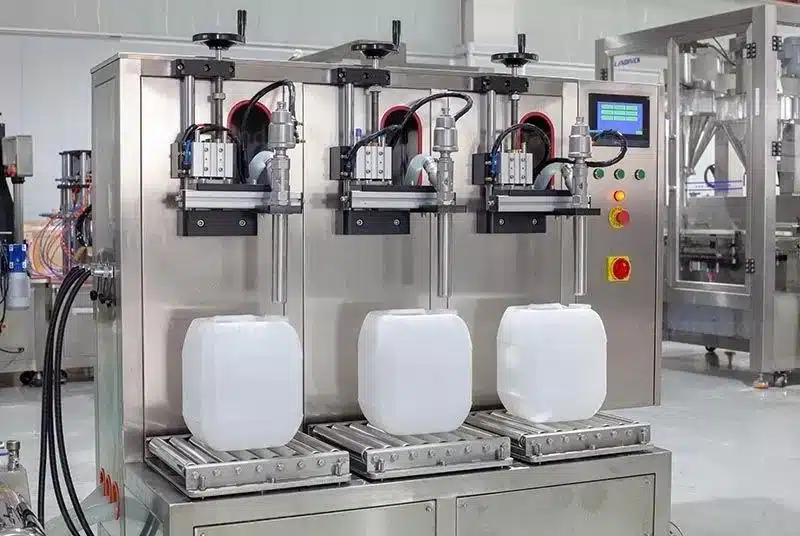
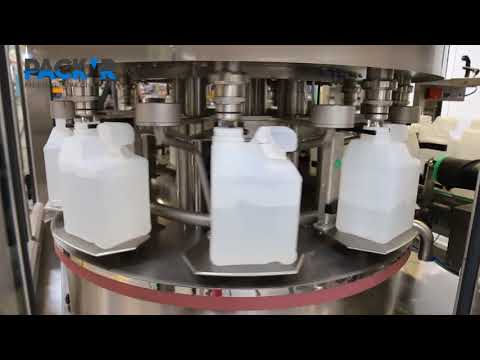
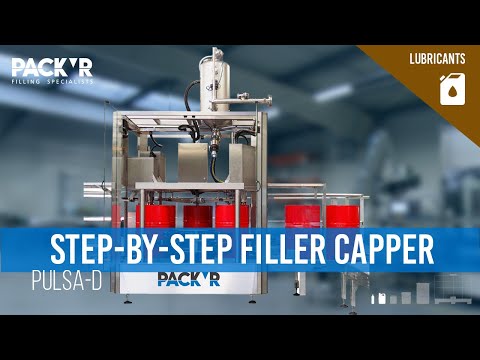
Bottle filling is the process of dispensing liquid and viscous products into bottles in different sizes and shapes, as part of the product filling and packaging process. The specialized filling and packaging machines intended for this purpose fill the products according to the volume and efficiency requirements of each application, thereby ensuring that production lines remain efficient and accurate.
According to the needs, bottle filling machines can be fully automatic, semi-automatic, or manual.
What types of bottles can be filled?
In general, there are two main types of bottles: glass bottles and plastic bottles, each differing in volume and shape. When specifying and designing a filling and packaging machine, all parameters must be taken into account.
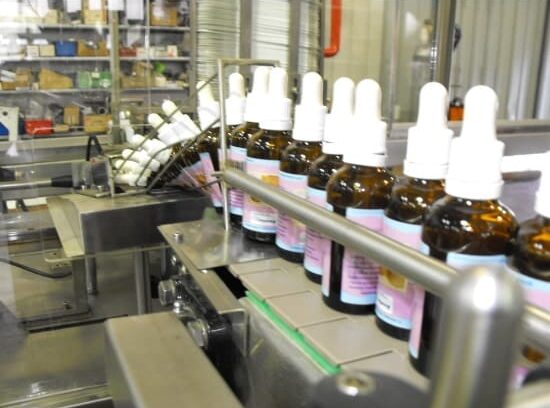
Glass bottles
Glass bottles are the preferred choice for many thanks to their ability to preserve the flavor and health of liquid products, while supporting a healthier environment because they are fully eco-friendly. Unlike plastic, glass can be fully recycled and does not lose its quality during the process.
In addition, glass is impermeable and non-porous, and therefore prevents the exchange of materials between the product and its packaging – a factor that may damage product quality.
Due to the growing need for sustainable products and production methods, glass bottles have become the preferred solution for both manufacturers and consumers.

Plastic bottles
Despite improvements in sustainability methods, plastic still has an advantage over glass thanks to the great flexibility it offers. Plastic enables a wide variety of designs, good printability, and excellent barrier properties. One of the most significant types of plastic in this field is polyethylene terephthalate (PET). PET is a safe, non-toxic plastic with high durability and recyclability.
While glass may be more sustainable, improvements in plastic, and especially in PET, have made it more environmentally friendly. Most of the world’s brands using PET produce mineral water bottles, but it is also common in soft drinks, fruit juices, beer, and liquid foods.
How do bottle filling machines work?
Bottle filling machines are the basis of every filling system. They are responsible for filling different types of bottles along the production line. Choosing the right machine depends on a variety of factors such as:
- Liquid viscosity: Liquids can be thin like water or very thick.
- Filling volume: The amount of liquid that must be filled into the bottle according to the filling requirements and the industry.
- Filling speed: The number of bottles the machine can fill in a given time period.
There are several types of filling machines, such as:
- Piston-based filling machines: Suitable for filling thin liquids like water, and fill bottles to a fixed level.
- Gravity filling machines: Suitable for filling thin liquids by gravity when filling is based on a fixed fill time or on a weight-control basis.
- Filling machine based on a filling chamber (piston filler): Filling is carried out volumetrically. This type of filling machine is used to fill liquids and viscous substances and provides a fast and accurate filling rate.
- Pump-based filling machines: Allow greater precision in filling liquids with varying viscosity, using a range of pumps depending on the application.
What is a bottle filling line?
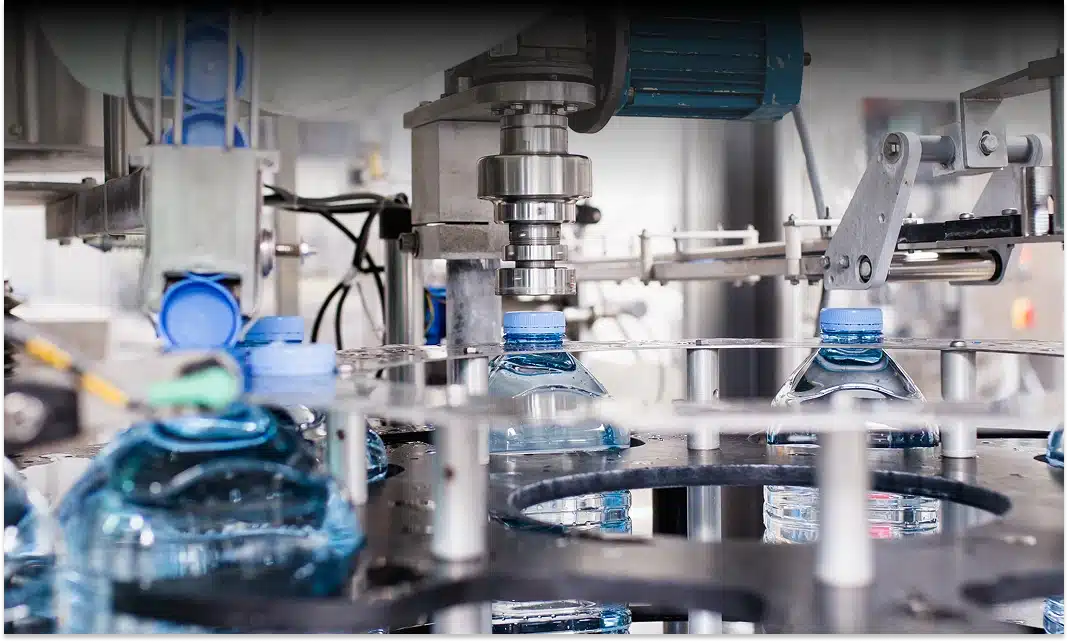
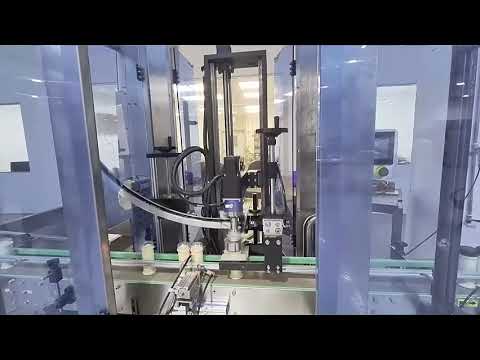
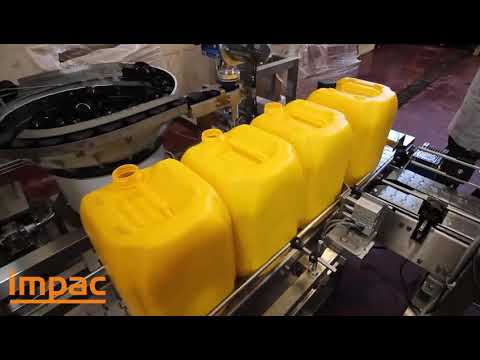
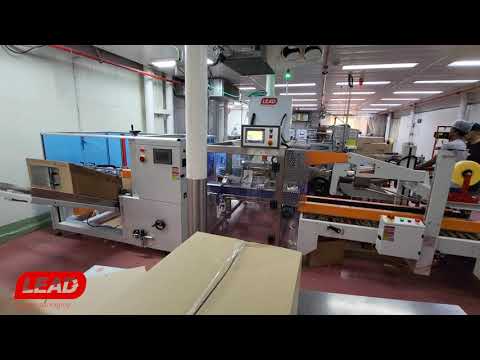
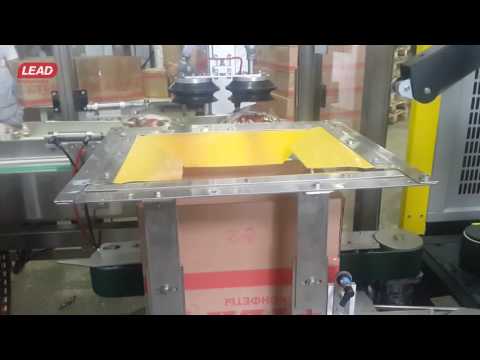
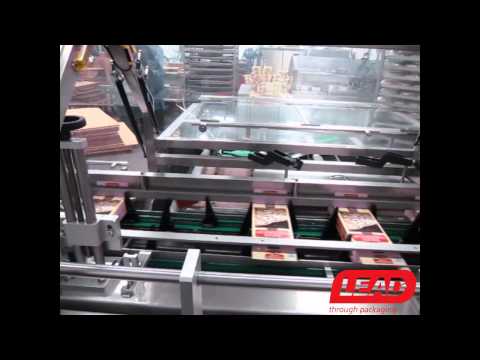
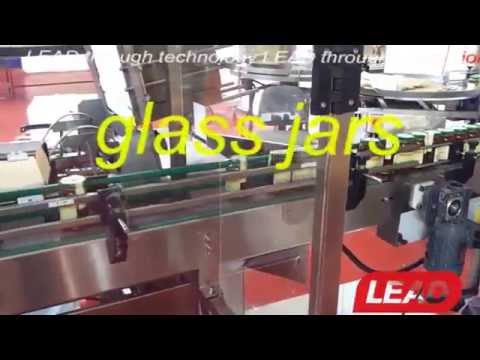
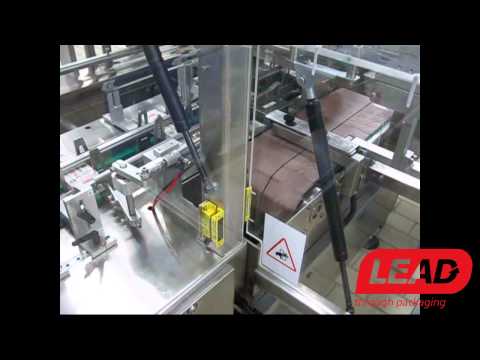
A bottle filling line is a production line that includes various machines that carry out the filling and packaging process, from moving the bottles on the conveyor, through bottle cleaning, to sealing and labeling the containers. Additional systems also include capping machines and label marking machines.
How many bottles can be filled in a given time period?
The filling speed of a bottle filling machine varies depending on a number of factors, such as nozzle design, bottle volume and the required production capacity. The smaller the bottle, the faster the filling will be. Thin liquids, such as water, are filled much faster than viscous liquids, which require more time and pressure.
In addition, the type of equipment selected will affect the filling speed. Automatic machines offer maximum efficiency, while semi-automatic machines also depend on the operator’s skill.
With the right equipment, it is possible to create an efficient, reliable and accurate bottle filling system that will meet most of the production line’s needs.