Bottle Filling Machines for Cleaning Products: Advanced Solutions for the Detergents Industry
The cleaning products industry presents unique filling challenges, including handling liquids with varying viscosity, foaming properties, active chemical compounds, and strong odors.
A high quality filling machine must ensure accuracy, chemical resistance, and full operator safety, while maintaining high production speeds and consistent filling across all bottles.
This article outlines the main types of filling machines used in the cleaning industry, how they are adapted to different product characteristics, and the key advantages of a professional filling solution.
Types of Filling Machines for Cleaning Products
Several types of bottle filling machines are commonly used in the cleaning industry, depending on the nature of the liquid and the required level of automation:
- Volumetric Filling Machines: Suitable for viscous products such as liquid soaps, softeners, and cleaning creams.
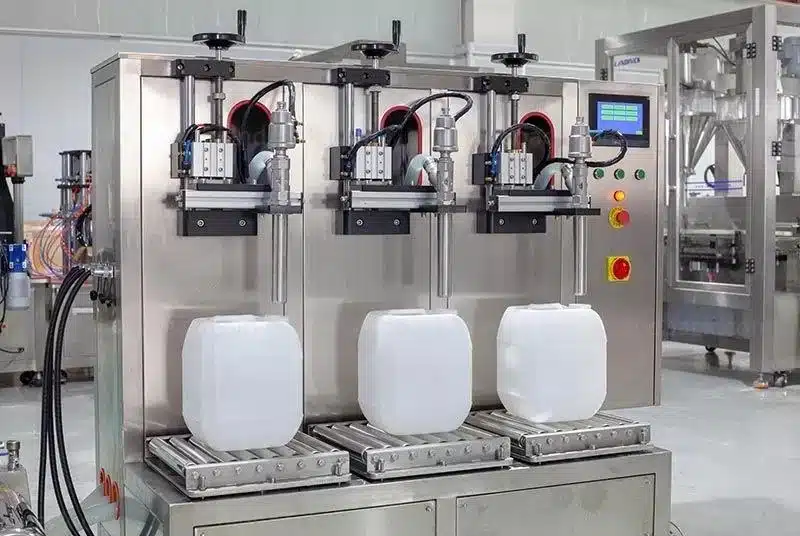
- Weight-Based Filling Machines: Ideal for high-value or variable-weight products that require high accuracy.
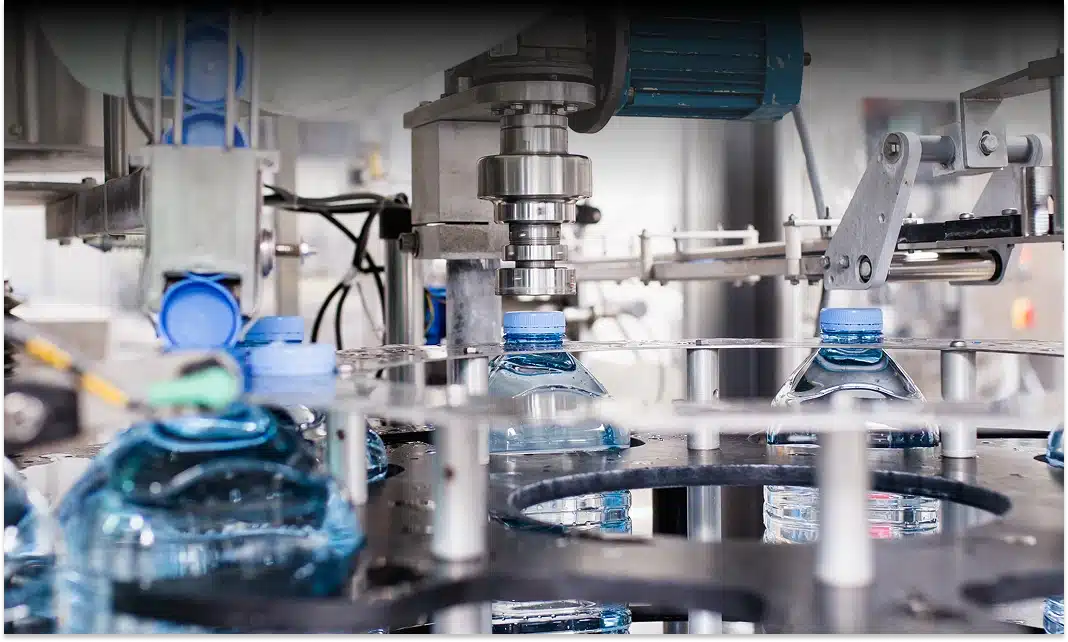
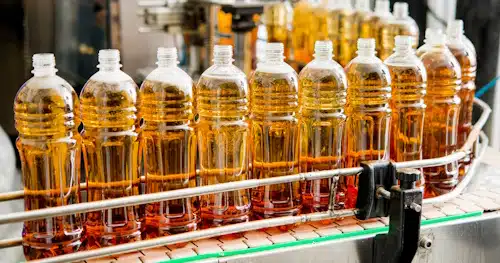
- Level Filling Machines: Designed for transparent liquids, ensuring a uniform fill level in each bottle.
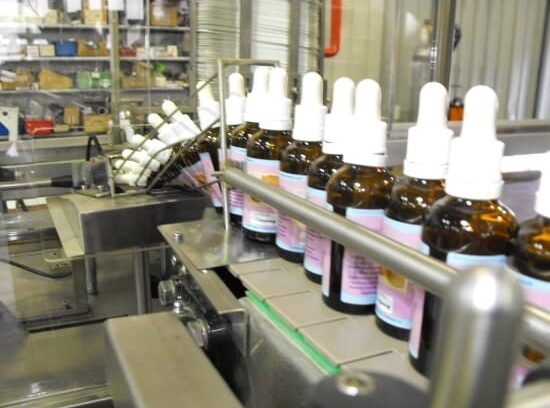
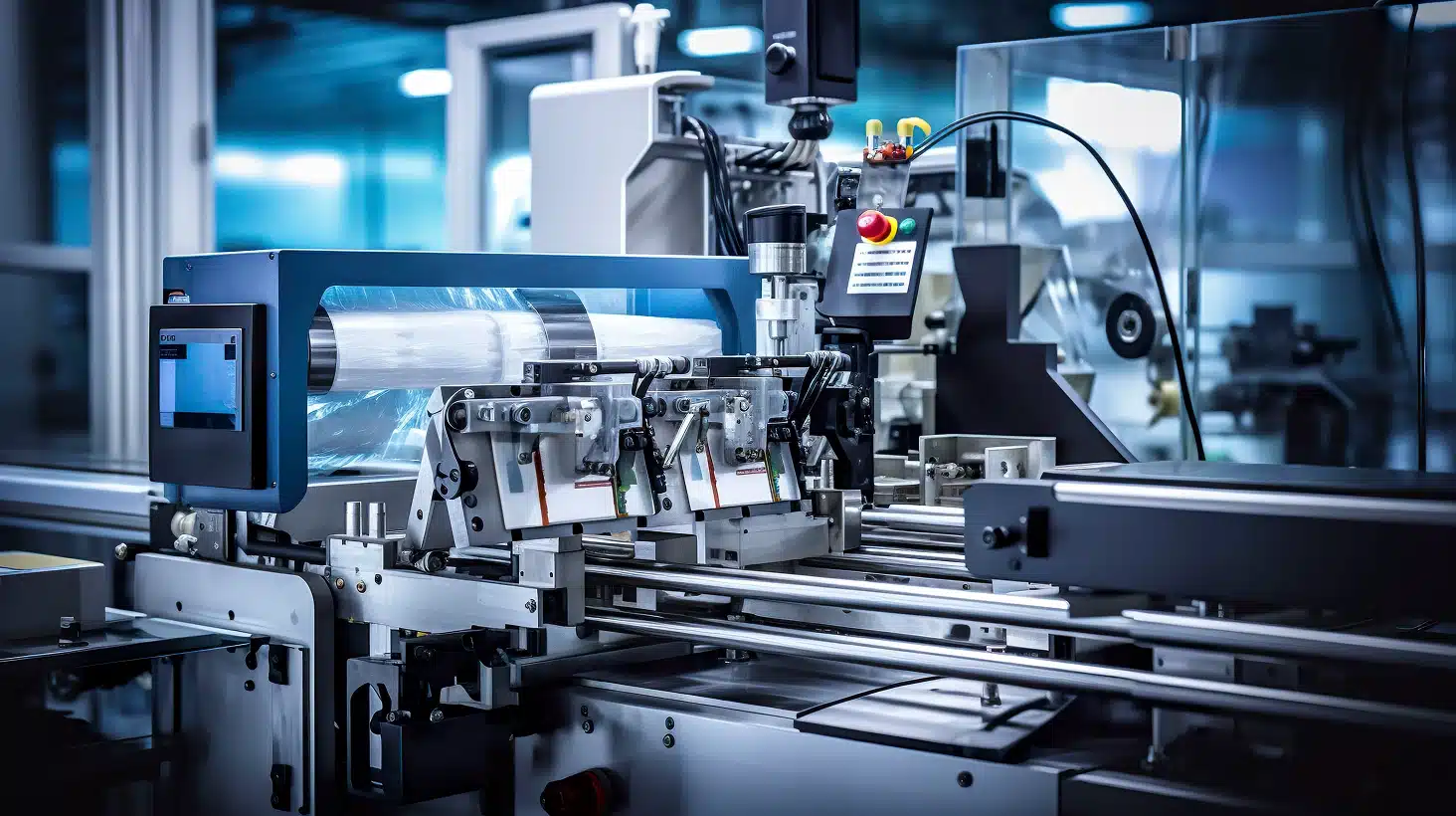
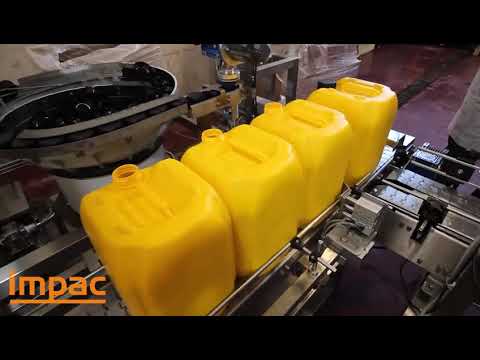
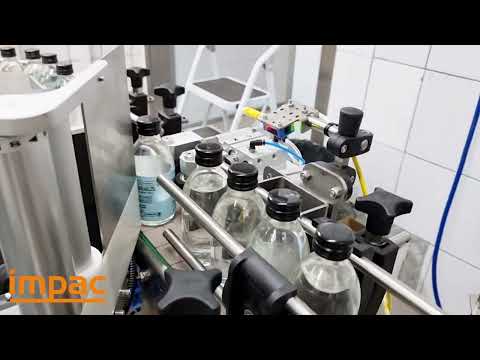
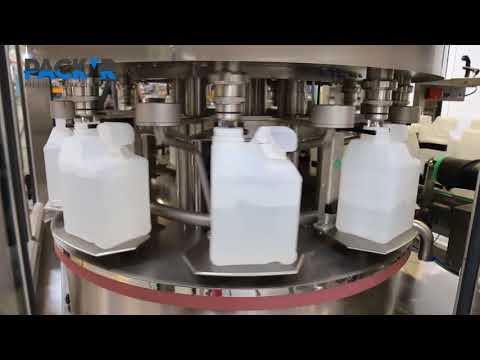
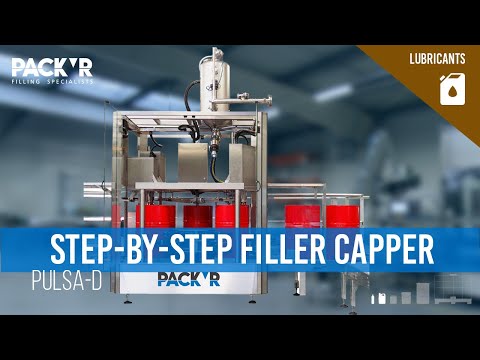
- Integrated Automatic Systems: Combine filling, capping, and labeling within a single line, improving efficiency and reducing labor requirements.
Adaptation to Cleaning Product Characteristics
When designing a filling line for cleaning products, it is essential to consider the chemical properties of each product, such as acidity, viscosity, foaming behavior, and odor.
Machines are typically constructed from 316L stainless steel or chemical-resistant polymers, depending on the application, to prevent corrosion and ensure long service life.
Additional features may include:
- Anti-foam filling systems to minimize foaming during the filling process
- Automatic rinsing systems for quick changeovers between products
- Extraction and filtration systems to maintain a clean working environment
Safety and Hygiene
Handling chemical products requires strict adherence to safety standards where applicable.
Filling systems are equipped with safety features such as leak detection sensors, pressure valves, and protective guards to prevent direct contact with active substances.
Control and Automation
Modern filling machines for cleaning products are equipped with advanced control systems that enable:
- Precise control of filling speed and volume
- Storage of product-specific recipes
- Real-time production data monitoring and recording
Key Advantages of Filling Machines for Cleaning Products
- High resistance to chemicals and corrosion
- Accurate filling, including for foaming liquids
- Fast and efficient cleaning between product changeovers
- High level of operator and workplace safety
- Full compatibility with new or existing production lines
Conclusion
Selecting a bottle filling machine for cleaning products should be based on the chemical composition of the product, viscosity, and production requirements.
A well designed filling system enables manufacturers to achieve consistency, reliability, and significant operational cost savings over time.
IMPAC provides advanced filling solutions for the cleaning products industry, from system design and specification through supply, installation, and full technical support.