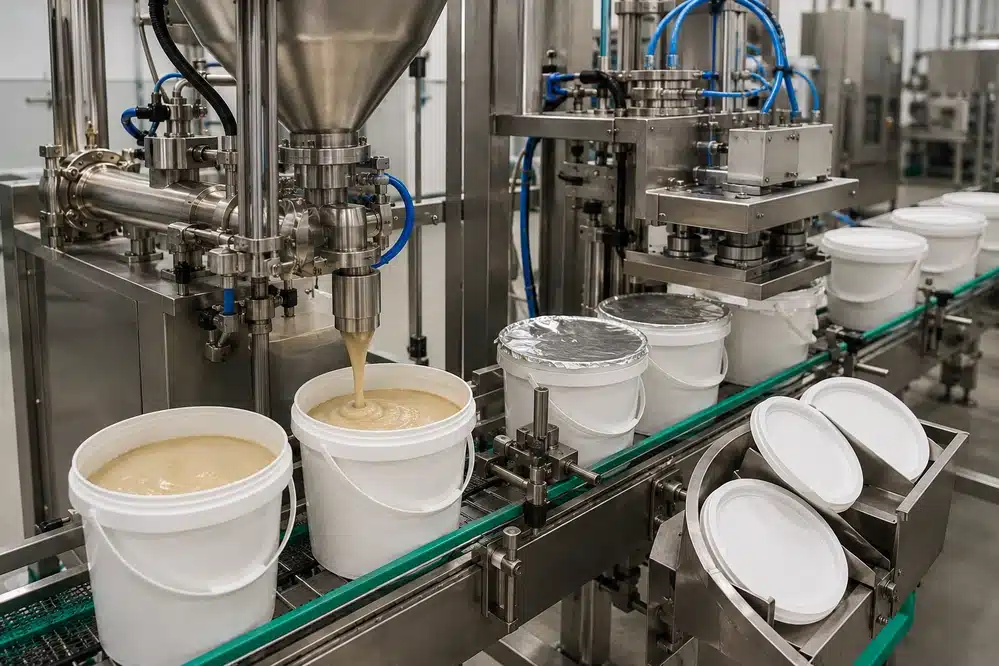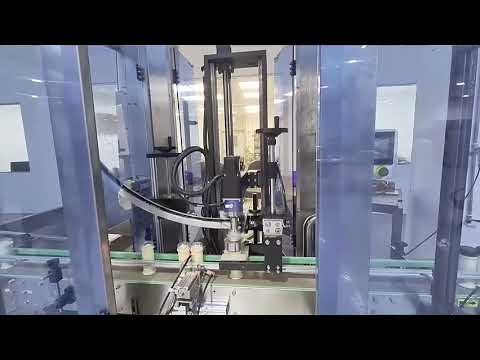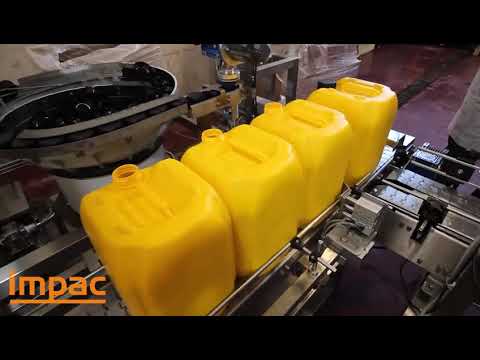
On a line that produces a single product, the machine rate determines the monthly output. On a line that changes products several times a week, changeover time is often a more important factor than the machine rate. An hour of production lost at each changeover can add up to several full working days over the course of a year without appearing as a separate item in the output report. Changeover is therefore one area where output can be increased without changing the machine rate.
What Does Changeover Time Actually Include?
Changeover time is not a single operation but a sequence of steps: removing the previous product from the machine and conveyor, cleaning or rinsing as required by the product, replacing format components, loading the new recipe into the control system, and running the machine until the portions are within the required range. Each step has different time requirements, so effective improvement starts with measuring the sequence rather than assessing only the overall changeover time.
- Removing the remaining product from the machine and conveyor
- Cleaning or rinsing to the extent required by the products involved
- Replacing format components and adjusting carriers to the container size
- Loading the new product recipe into the control system
- Running and calibrating the machine until the doses stabilize within the required range
In practice, breaking down the sequence often reveals that one step takes up a disproportionate amount of time. Sometimes it is the cleaning process, and sometimes it is the run-up rather than the actual replacement of the parts. Focusing on this step can provide a greater improvement than trying to shorten every step at once.
How Does the Filling Method Affect Changeover Time?
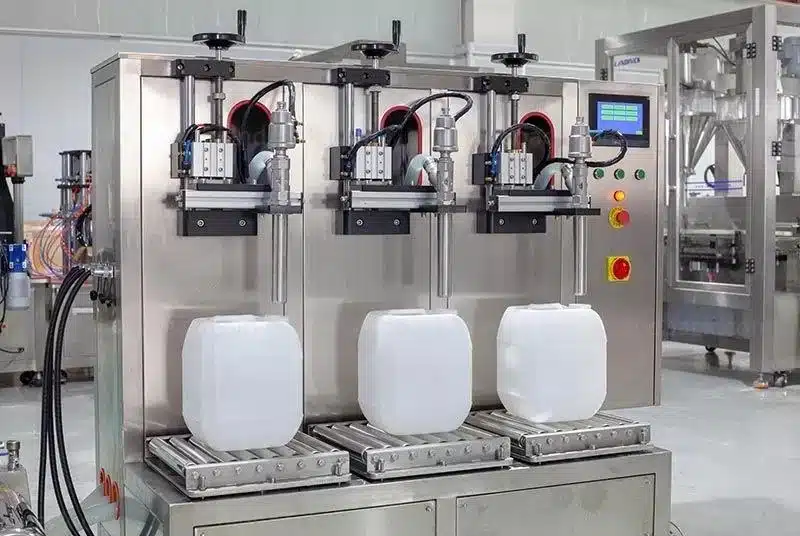
A volumetric filling machine requires recalibration when changing products because the same volume represents a different weight for each material. A weighing system can switch to the next product’s programmed weight setting through the control system, although verification may still be required after the changeover. On a line that changes products frequently, this difference can add up to significant production time.
Filling machines that allow a recipe to be saved for each product can significantly shorten this step. A filling machine that requires each parameter to be set manually for every changeover makes the line more dependent on the operator and can create variation between shifts that is difficult to improve. A filling line that changes products daily benefits particularly from using saved recipes.
Furthermore, the more parameters that are saved in the control system as part of a recipe, and the fewer that need to be set manually, the shorter the changeover and the less dependent it is on the individual operator. A saved recipe also reduces the number of run-ups because it returns the line to previously established operating parameters rather than requiring them to be readjusted.
What Can Be Prepared While the Line Is Still Running?
A significant portion of the changeover work does not require the machine to be stopped. Preparing the format components for the next product, pre-cleaning replacement parts, bringing packaging materials and containers into position, and verifying the recipe in the control system can all be done in parallel with production. What remains during the stoppage is the actual changeover and the run-up.
From an organizational perspective, it is also worth establishing a uniform and documented order of operations. When each operator performs the changeover in the same order, the time becomes more predictable, and it is easier to identify which step is taking longer than expected. An order of operations that changes between shifts creates variation that is difficult to improve.
| Changeover Step | What Can Be Done in Advance? | What Remains During the Stop? |
| Preparing format components | Retrieval, cleaning, and pre-inspection | The assembly itself |
| New product recipe | Definition and verification in the control system | Loading the recipe |
| Packaging materials and containers | Bringing them into position and arranging them | Loading the magazine |
| Cleaning | Preparation of equipment and spare parts | The actual washing |
| Commissioning and calibration | Not applicable | Until the portions stabilize within the required range |
How Does Machine Design Affect Changeover Time?
Part of the changeover time is determined at the machine selection stage. A machine that allows tool-free component replacement, cleaning without deep disassembly, and easy access to the feeding system can shorten every changeover throughout its years of operation.
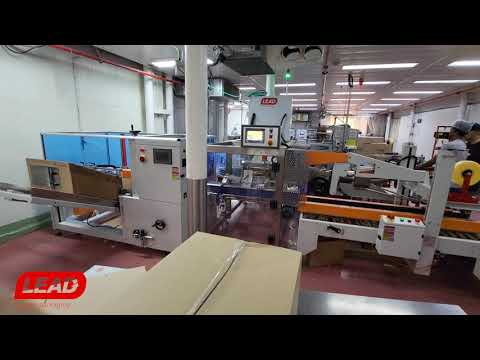
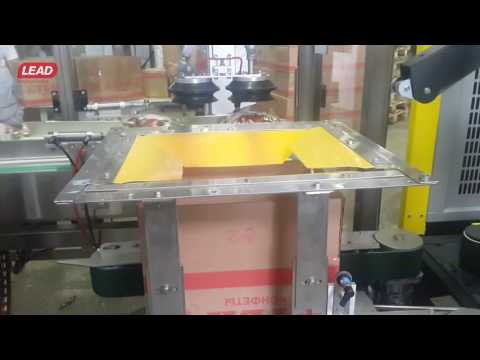
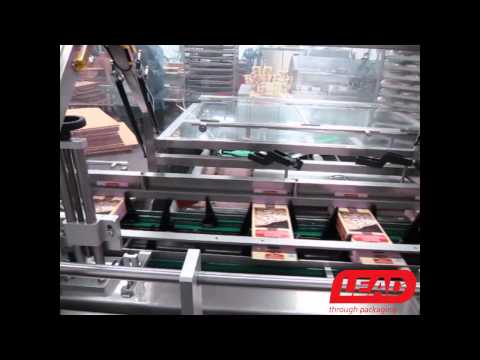
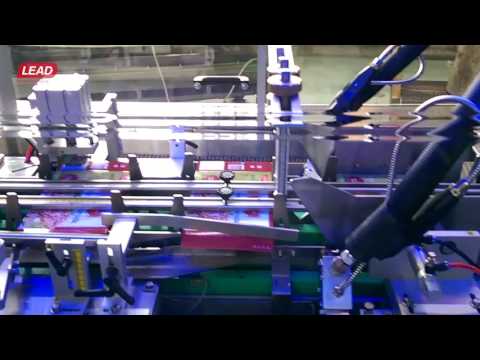
In the packaging industry, the MKH-3 cartoner was designed for rapid adjustment between different carton sizes and products, and this is the type of feature that can have a greater impact on monthly output than a difference of a few units per minute.
IMPAC designs and manufactures the machines in-house, so the line can be built around the product mix rather than only around the main product. When it is known in advance how many formats will run through the same machine and how frequently they will change, the format components and number of workstations can be adjusted to this mix during the characterization stage.
How Do You Measure Changeover Time Correctly?
Proper measurement begins by defining the starting and ending points. The changeover does not end when the machine starts running. It ends when the batches stabilize within the required range and production is being counted. Any measurement that stops earlier can give an inaccurate picture. Likewise, the changeover begins when the previous product stops being produced, not when the technician arrives.
It is also worth measuring several changeovers rather than just one. Changeover duration varies between shifts, teams, and product pairs, so a single changeover is not necessarily representative. After several measurements, it is often possible to identify a particular product pair that requires more changeover time. In some cases, this can be addressed simply by changing the production order.
In practice, sequencing is one of the least costly improvements. When similar products are produced in sequence, the time required for cleaning between batches can be reduced, as can the number of format component changes. The filling machine does not change, but the weekly output can.
What Is the Role of Format Components?
Format components are the parts that adapt the machine to the container size and type of portion, and they directly affect changeover time. Having a dedicated set of format components for each product requires a higher initial investment but can shorten changeovers by reducing the need to reconfigure shared components. Product-contact parts must still be cleaned according to the applicable requirements This is an economic decision that should be made during the characterization stage rather than after a year of operation.
It is also worth checking whether component replacement requires tools. Components that can be connected without tools shorten the operation and reduce the chance of incorrect assembly being identified only when the machine is running. This characteristic is also determined at the selection stage and affects every changeover throughout the line’s years of operation.
Summary
Reducing product and format changeover times on a filling machine begins by breaking down the changeover sequence for measurement. It continues by moving as much preparation work as possible to the time when the line is still running and relies on a filling method and machine design that are appropriate for the production mix.
On a line that changes products frequently, this can increase output without changing the machine. Fast format changeover is therefore a characterization parameter, not just a work procedure. A filling machine selected with format components suitable for the production mix can provide this benefit throughout its years of operation.
Contact IMPAC with your product mix and formats to receive a characterization of a solution that matches the actual frequency of changeovers.