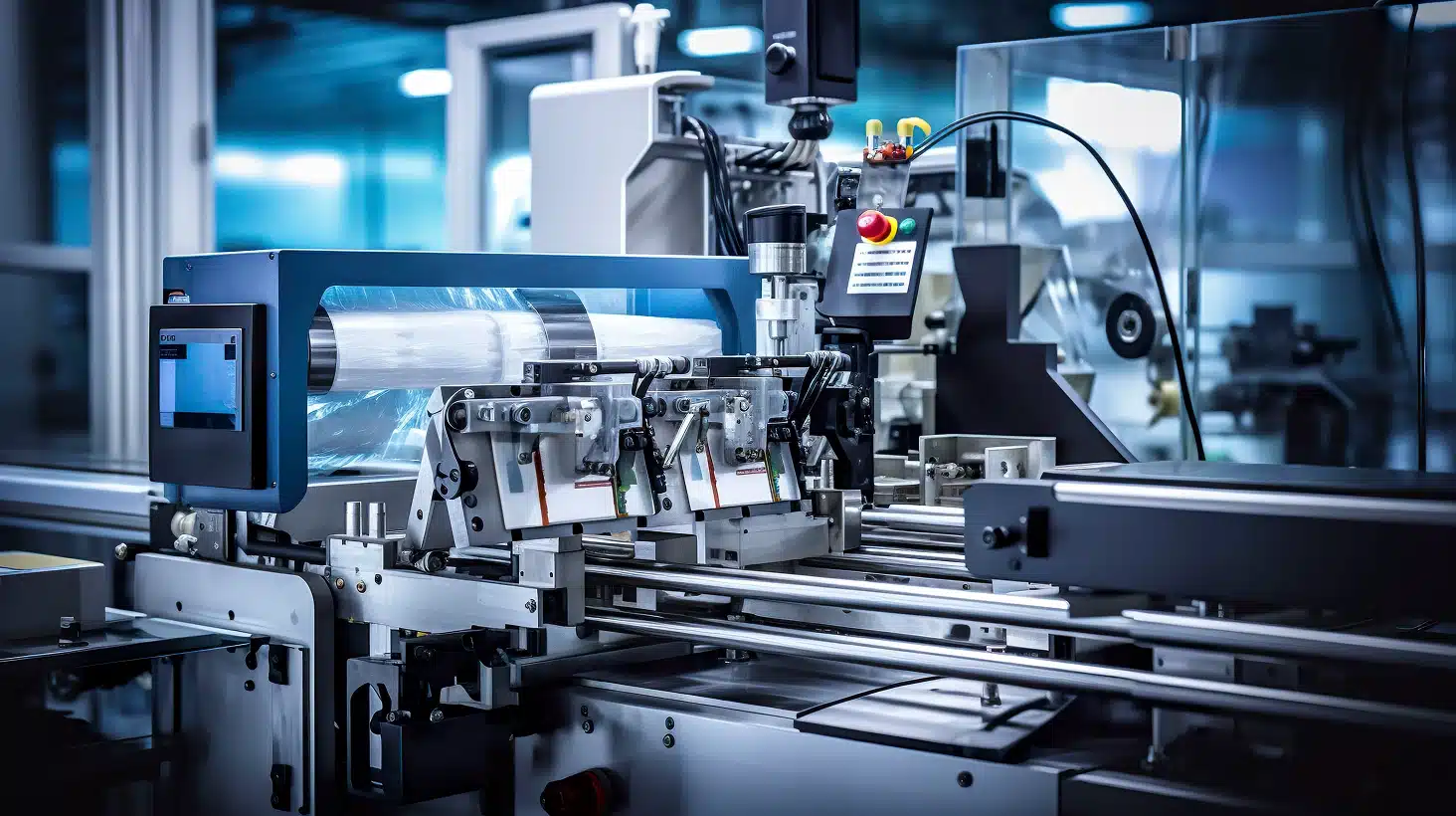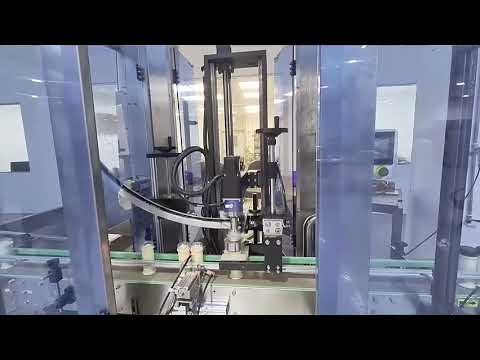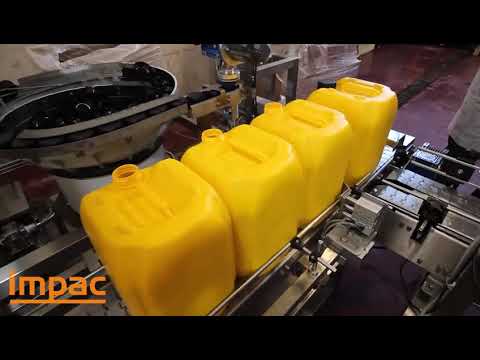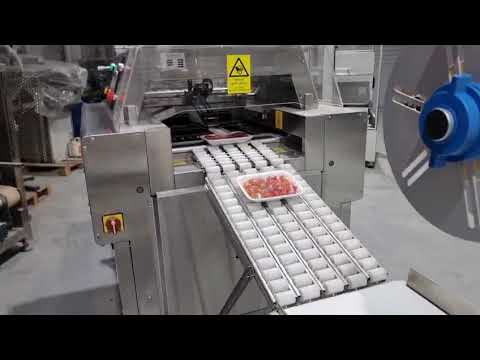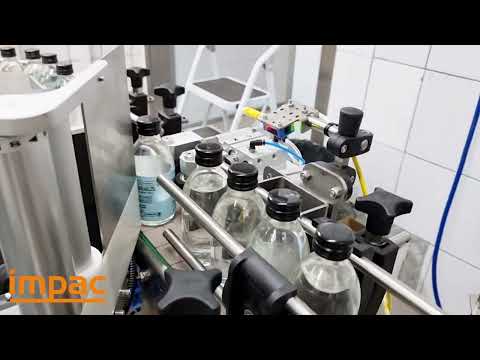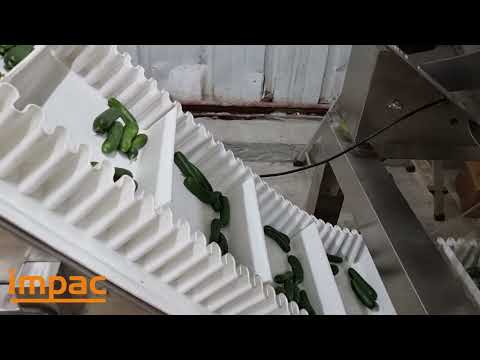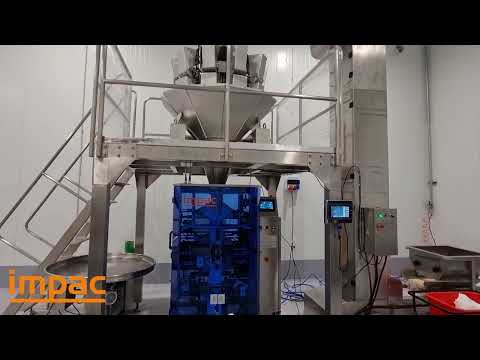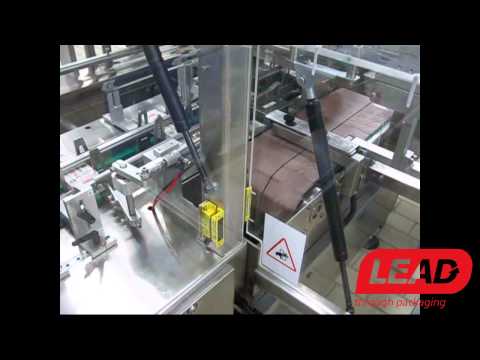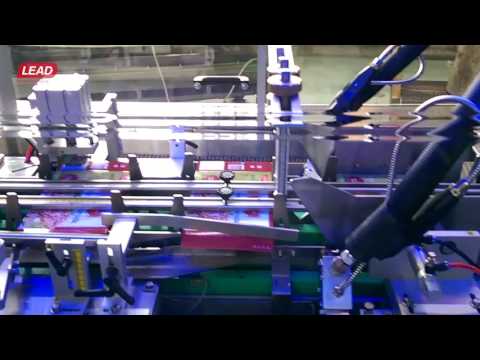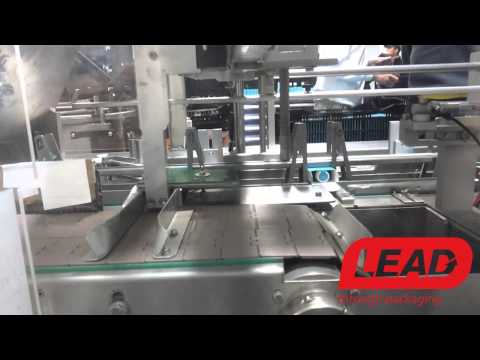
Purchasing a new machine for an existing production line is fundamentally different from building a new line. The existing line sets requirements such as conveyor heights, production rates, distances, and control interfaces, and the new machine must be integrated with them while keeping production downtime to a minimum. A packaging machine can be suitable for the product and still create a bottleneck if its interfaces with the existing line are not evaluated in advance. This article focuses on the practical checks that should be carried out before the machine is ordered, rather than relying only on catalog specifications.
What Should Be Checked on Site Before Ordering?
The site assessment should be completed before the machine specification is finalized. These details are easy to overlook, but any of them can affect the proposed solution and its cost.
- The conveyor height at the machine’s infeed and discharge, compared with the height of adjacent stations
- Available floor space, including sufficient access for servicing, cleaning, and movement around the machine
- The route for moving the machine into the factory, including door and opening widths, ceiling height, and available lifting points
- Available site infrastructure, including electrical power, compressed air, and drainage where required
- Product flow direction, to ensure that the machine does not require the product flow to be reversed
It is also important to map operator movement around the existing line. A machine installed in an area used for carts or operator movement can create an operational problem that is not obvious from the layout drawing. Layout planning should therefore be part of the initial assessment, rather than something addressed afterward.
How Should the New Machine’s Throughput Be Matched to the Existing Line?
The overall line throughput is limited by its slowest stage. Installing a faster machine after a slower station will not necessarily increase throughput. Instead, the new machine may remain idle while it waits for products from the preceding station. The first question should therefore be how much product the existing line can actually supply, rather than the new machine’s maximum speed.
The new machine should therefore be evaluated against the actual feed rate rather than its catalog-rated speed. When assessing an existing production line, the relevant figure is not the maximum rate of the preceding machine, but the rate it actually delivers during routine operation, including short stops and slowdowns. The difference between the two can be significant.
In practice, a small difference in rates can often be managed with an intermediate conveyor buffer, which absorbs short-term fluctuations and helps the machine operate continuously. Larger gaps require a different solution, such as upgrading the slower station or choosing a model that matches the existing rate. The MP-50 sleeve binder can operate at up to 120 sleeves per minute, but that capacity is relevant only if the preceding loading station can supply product at a comparable rate.
How Is the New Machine Integrated with the Existing Control System?
A stand-alone machine can operate through its own control panel. A machine integrated into a production line needs to communicate with the other equipment. It may need to stop when the downstream station is blocked, report faults to the existing control system, and, in some configurations, receive product recipes from a central controller instead of requiring the operator to enter them manually. The required level of integration varies between facilities, so it should be defined in the specification rather than left to the installation stage.
Machines designed for line integration need to provide appropriate communication interfaces in addition to their local control panels. On a production line with several stations operating in sequence, transferring the product recipe from a central controller can eliminate repeated data entry and help maintain consistent settings between stations. This can be particularly useful when the same product is produced on several lines simultaneously.
It is also worth considering how easily the machine can be adapted to future changes. The MKH-4 cartoner’s feeding system can be separated in one second, allowing changes to the feeding arrangement without modifying the main machine body. This type of design can simplify future line modifications and reduce the work required to adapt the machine.
How Can Installation Downtime Be Minimized?
Installation downtime depends on the scope of the line modification rather than simply on the size of the machine, so there is no standard duration. What can be controlled is how the installation work is prepared and sequenced. The more preparation that can be completed while the line is still operating, the shorter the required downtime window is likely to be.
Electrical preparation, conveyor adjustments outside the active installation area, and machine testing without product should be completed before the shutdown whenever possible, reducing the amount of work required during the available downtime.
| Interface point | What needs to be checked? | Potential issue if overlooked |
| Conveyor height | Compatibility with nearby stations | Conveyors may need to be modified during installation |
| Feed rate | Actual output of the preceding station | The machine may operate below its available capacity |
| Area and access | Space for service and cleaning | Maintenance may become more difficult and time-consuming |
| Control interface | Stopping, fault reporting, and recipe transfer | The operator may need to operate two control systems separately |
| Machine access route | Opening widths and ceiling height | Delivery may be delayed or require non-standard lifting arrangements |
What Role Does Engineering Design Play in Line Integration?
Integrating a packaging machine into an existing line is where a standard catalog solution may not be sufficient. IMPAC handles the design, manufacture, and full integration of production lines, so the assessment begins by mapping the entire line rather than focusing on a single machine. This approach allows the machine interfaces to be adapted to the existing factory conditions rather than requiring the production area to be redesigned around the machine.
The measurements should also be documented rather than relying only on memory or photographs. A simple drawing showing the line layout, heights, distances, and product flow direction can shorten the assessment process and allow the supplier to evaluate feasibility before the site visit. If the line has changed over time, older drawings may no longer reflect the current layout, making a new site measurement necessary.
What Should Be Considered When Integrating a Complete Packaging Line?
When an integration involves multiple machines, the number of interface points and coordination requirements also increases. A fully automated packaging line can move products through multiple packaging stages without manual handling between stages. This means that each stage depends on the performance of the preceding stage. Inconsistent feeding can cause a cartoner to stop, while an uneven product flow to a sleeve binder can affect the consistency of the packaging process.
A complete line also requires decisions about where buffers are needed. An intermediate buffer between stations can absorb short-term fluctuations and help machines operate more continuously, but it also requires space and adds another point to the material flow. The line assessment should determine where a buffer is needed and where it can be omitted, based on the expected variation at each stage.
A machine being added to an existing line therefore needs to be evaluated for both product requirements and line compatibility. These two considerations can lead to different machine choices. If they are considered separately, compatibility issues may not become apparent until installation.
It is also important to define in advance which supplier is responsible for each part of the interface. Connecting a new machine to existing equipment may involve two suppliers. Without a clear division of technical responsibility, issues can be passed between the parties while the line is out of operation. Clearly documenting these responsibilities in the specification can help avoid delays during installation and commissioning.
Summary
Successful integration of a packaging machine depends not only on the machine specifications but also on how well it fits the existing line interfaces. Conveyor height, feed rate, available access space, and control interfaces are among the key factors that influence the complexity of an installation.
Contact IMPAC’s engineering team to arrange a line survey and interface assessment before finalizing the machine specifications.