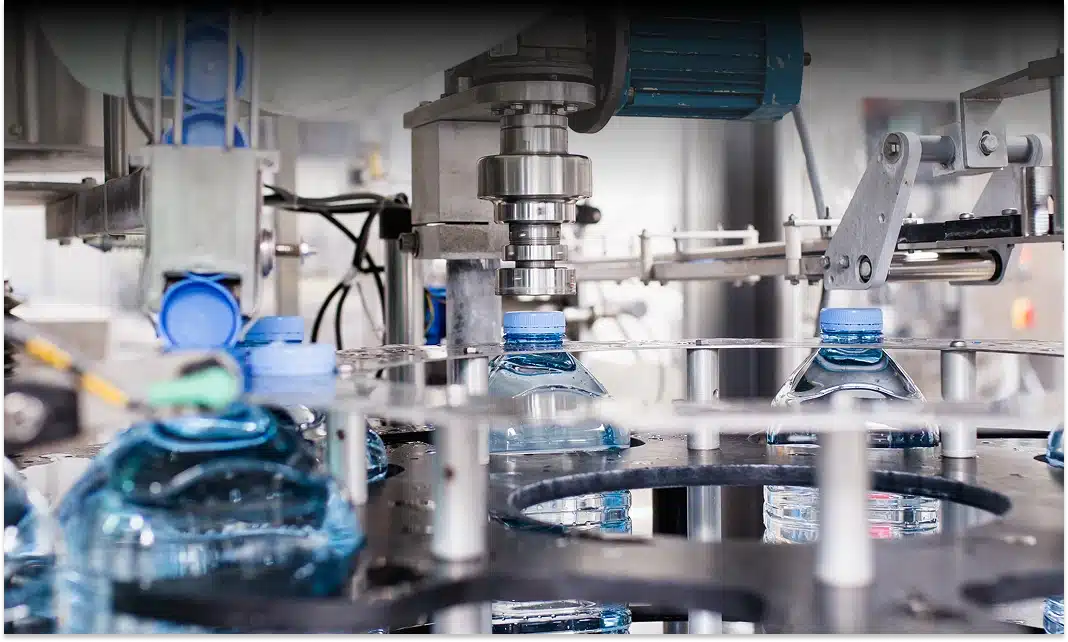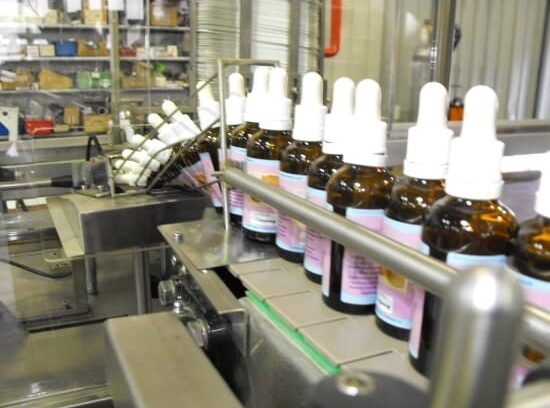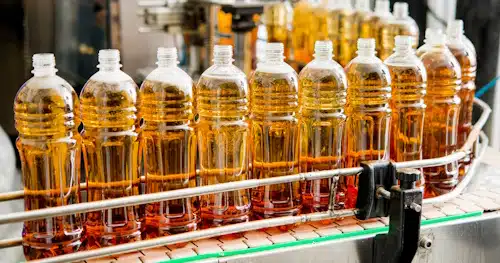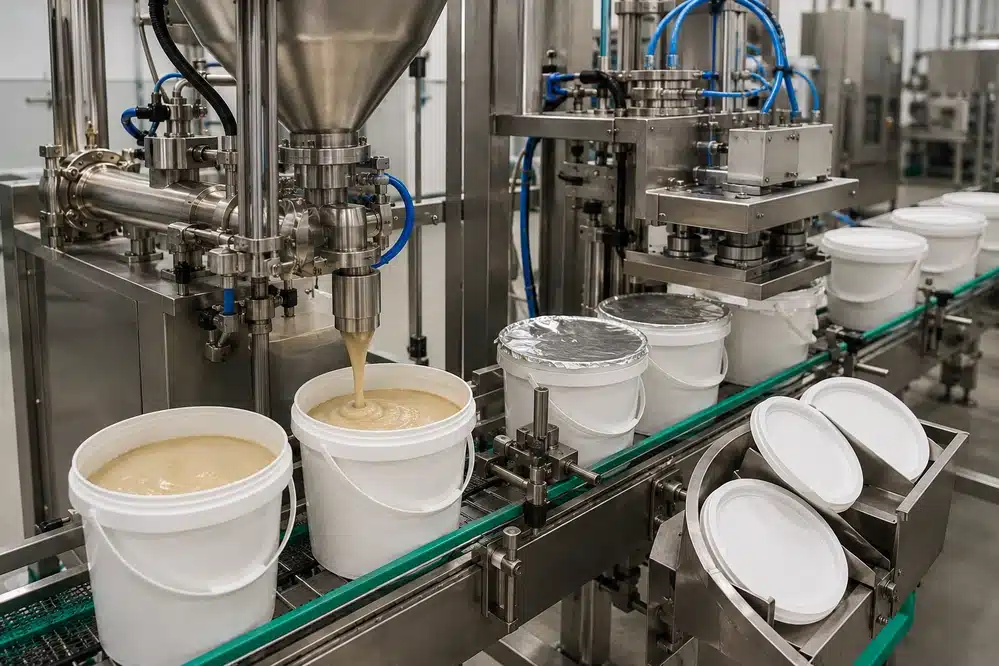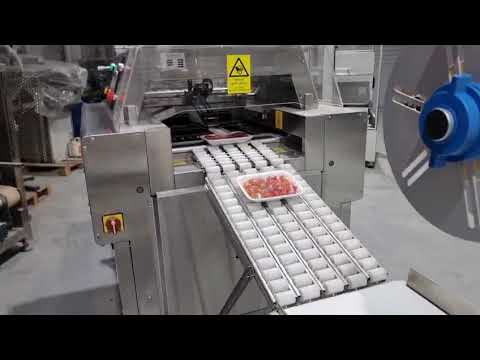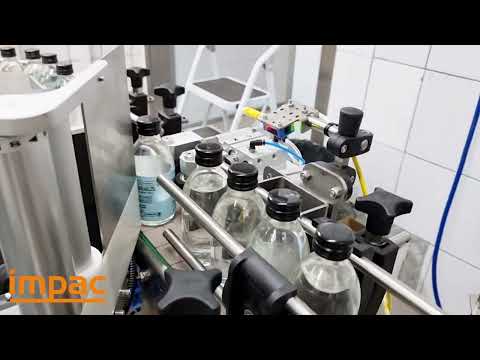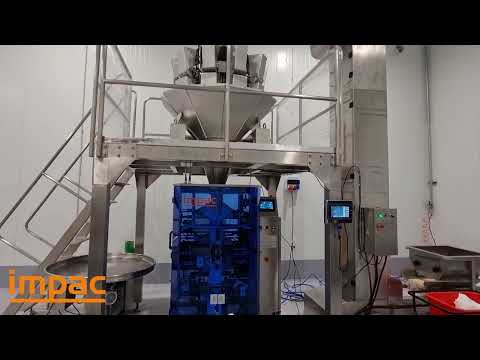
Filling affects product quality, workplace safety, and production efficiency in the fertilizer and chemical industries. Filling 5 to 10-liter containers requires high filling precision, chemical-resistant components, and reliable operation over time. Automatic filling systems can provide high throughput while maintaining consistent filling quality.
An automatic filling line for fertilizers in 5 to 10-liter containers can automate the process from feeding empty containers to precise filling and container closing. The filled containers can then be transferred to the next stage of packaging and transportation.
Filling Accuracy for Liquid Fertilizers
When filling liquid fertilizers, deviations in weight or volume can affect production costs and product quality. Filling systems are therefore designed to operate with high precision and control the quantity dispensed into each container.
This machine is suitable for various types of liquid fertilizers and allows continuous operation during intensive production while maintaining consistency across containers.
How the Automatic Filling Line Works
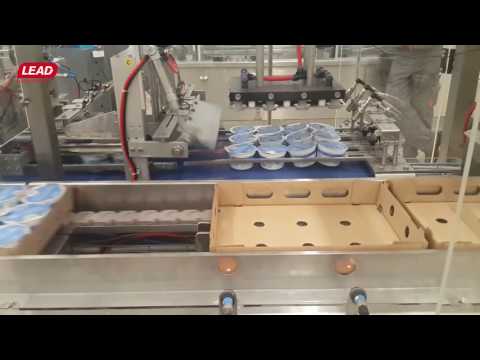
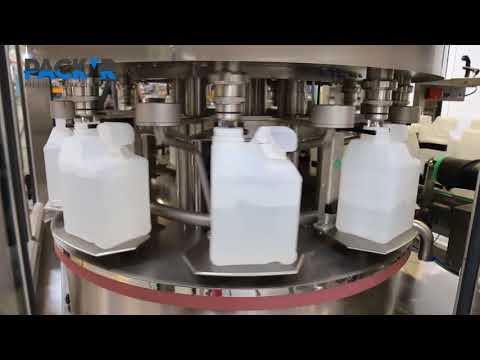
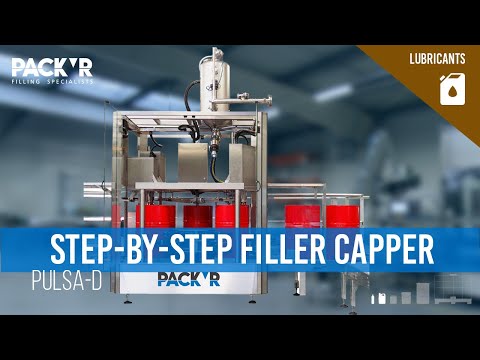
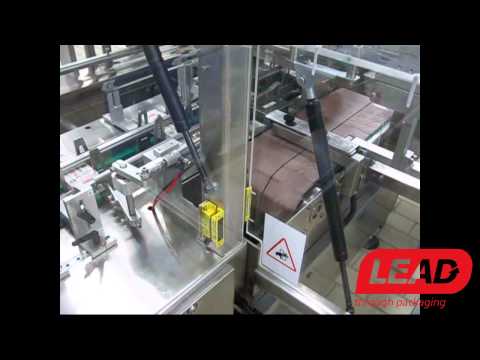
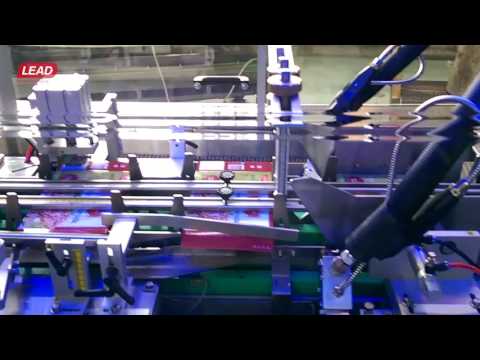
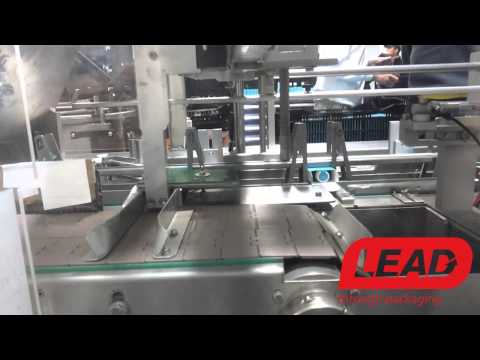
Empty containers are automatically fed into the production line and positioned at the filling station, where each container is filled according to the specified quantity.
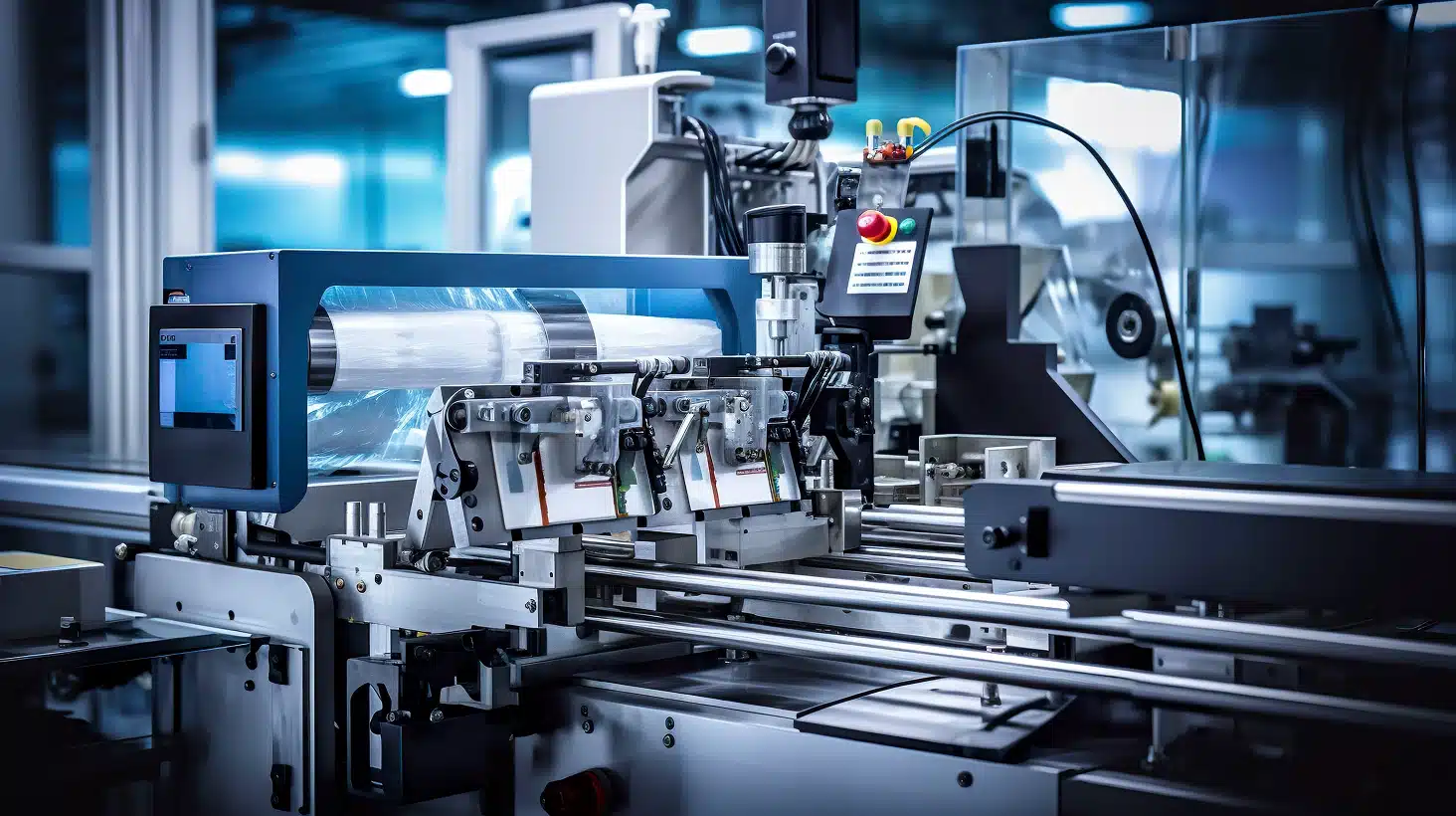
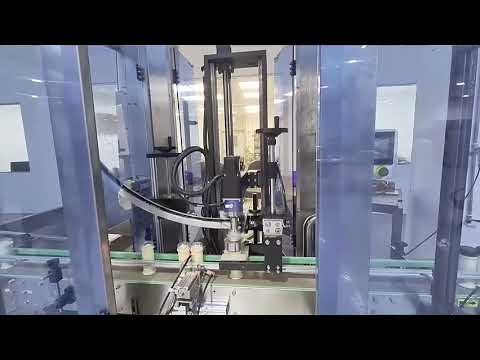
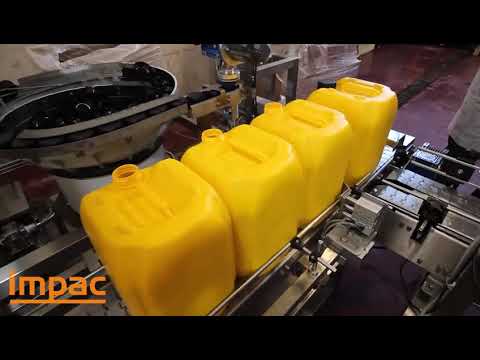
After filling, the containers proceed to the automatic capping station. Additional stations can also be integrated, including labeling, marking, quality control, packaging, and palletizing, according to the customer’s needs.
Connecting these stations creates a continuous flow from filling through the subsequent packaging stages and supports efficient use of the production line.
Design Considerations for Chemical Applications
Filling systems for the fertilizer industry are designed for applications involving fertilizers with different chemical characteristics. Depending on the application, corrosion-resistant components and structural materials, drip-prevention systems, leakage collection solutions, and safety measures adapted to the work environment can be incorporated.
These features can support reliable operation, simplify maintenance, and help maintain a clean and safe production environment.
Key Features of the Filling System
- Accurate filling
- Efficient, productive operation with reduced manual intervention
- Durable industrial construction for continuous operation
- Integration with labeling, quality control, packaging, and palletizing systems
Filling Line Configuration
Filling line requirements vary by plant, depending on production rate, container types, and material type. The filling line can therefore be configured with the technology required for the specific application. Weighing or volumetric filling systems, multiple filling heads, different closing stations, and full automation can be integrated according to the project requirements.
The line can be configured for current production requirements and expanded in the future if needed.
Conclusion
A fertilizer filling machine for 5-10-liter containers is an integral part of a production line. Precision, reliability, safety, and automation can help improve production efficiency, reduce raw material waste, and maintain consistent product quality.
IMPAC Engineering designs and manufactures filling and packaging lines according to customer requirements, with engineering support from the initial requirements definition stage through system operation.