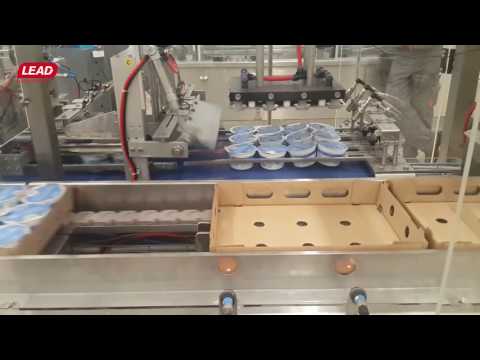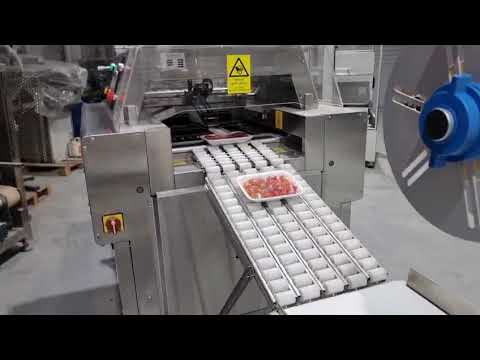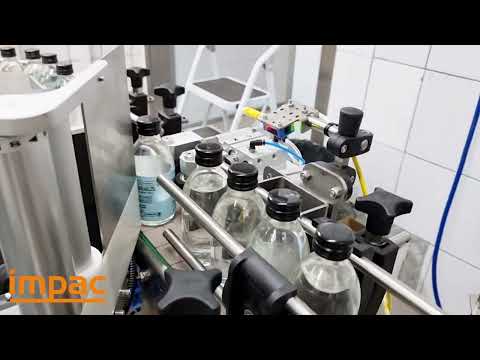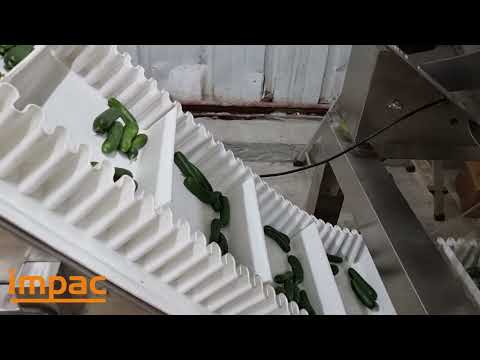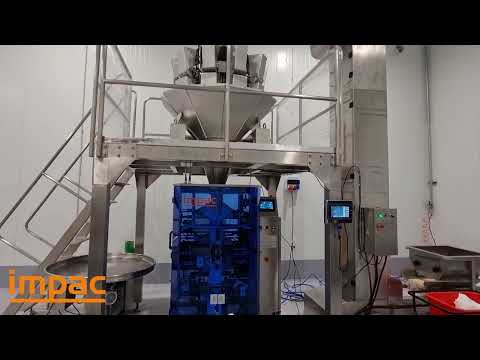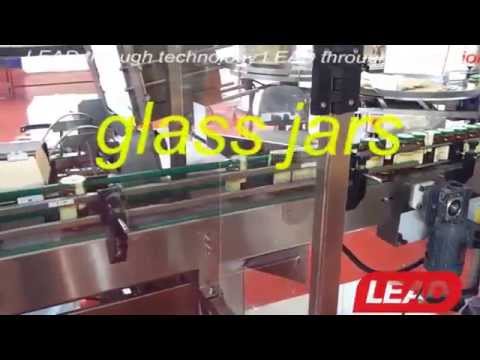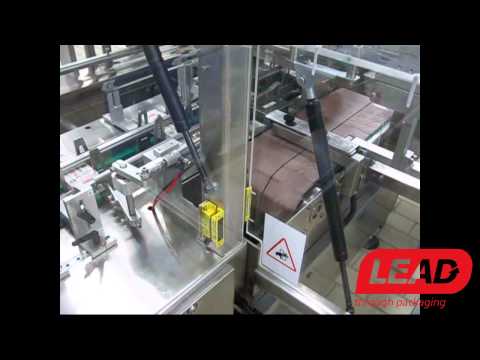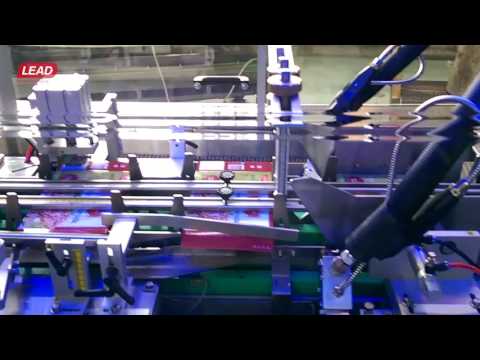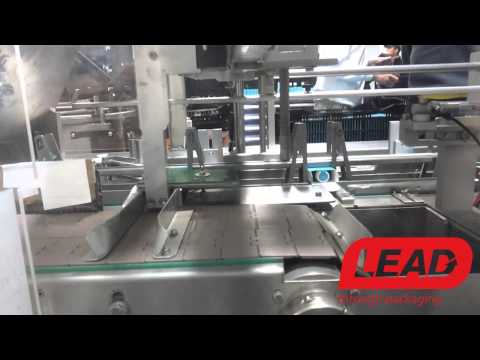
In the food, additive, and dry-product industries, filling powders into containers requires control of the fill quantity and consistency across containers. When filling jars or small containers, the filling process must be matched to the product and the required production output.
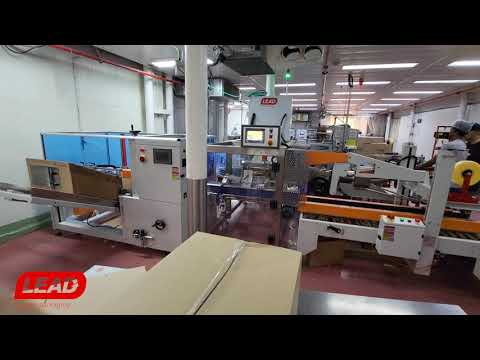
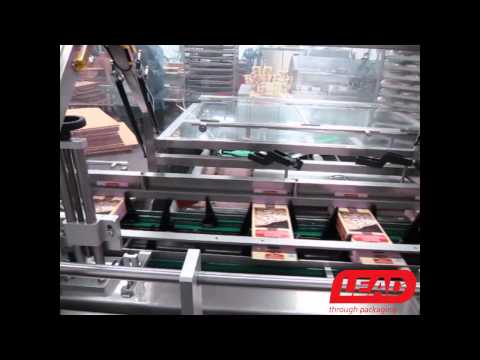
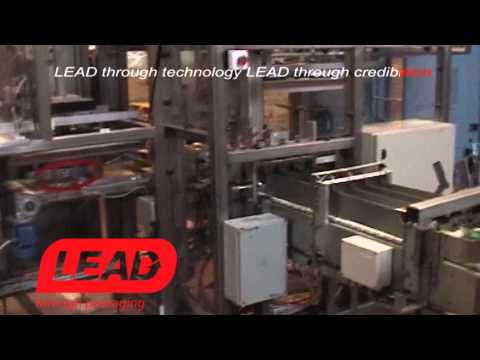
An automatic powder filling line can include all stages of the process, from feeding the raw material, mixing, and precise filling to cap placement, closing, sealing, and labeling.
The main components of a powder filling line and the considerations involved in integrating these stages are outlined below.
Automatic Material Feeding with an Elevator
The filling process begins with feeding the raw material into the machine. Instead of manually adding the powder, an automatic feed elevator can be incorporated to raise the raw material from a low level to the feed tank. The system provides continuous feeding and reduces the need for manual handling during this stage.
Precise Powder Dosing and Filling
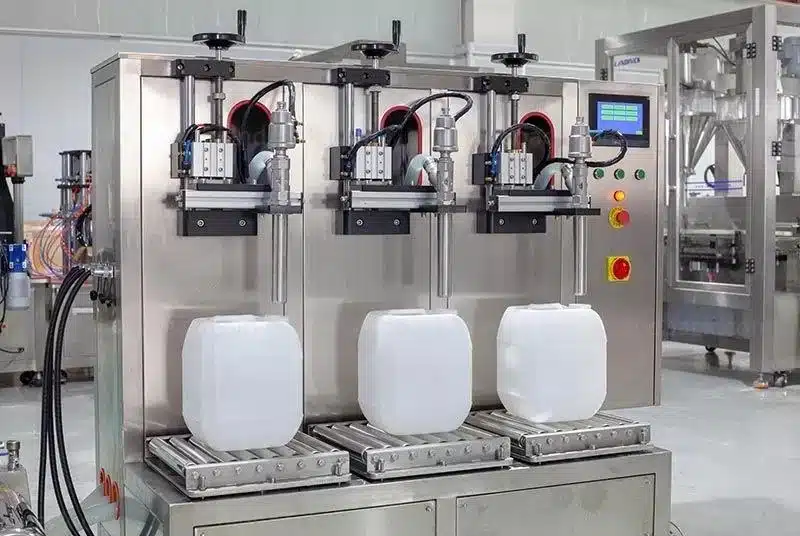
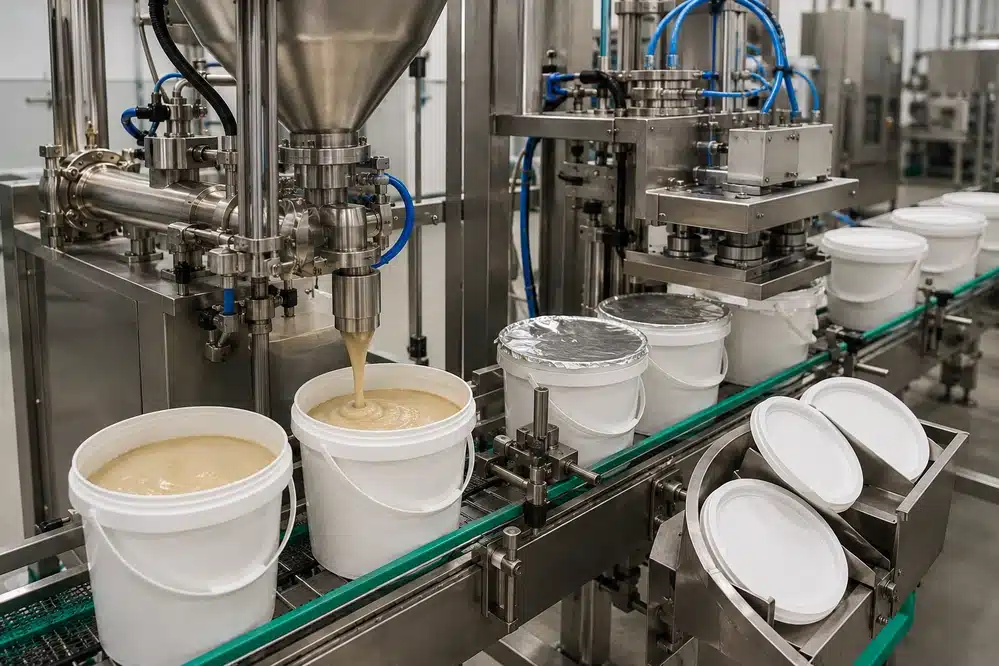
The filling station is one of the central components of the line. Various dosing systems can be used for powders, with an auger filler being a common method. The auger transfers the powder from the storage tank to the filling system, with the amount of material determined by the system settings. The filling system can be adjusted according to the type of powder, material density, flow characteristics, and required level of accuracy.
Automatic Cap Placement
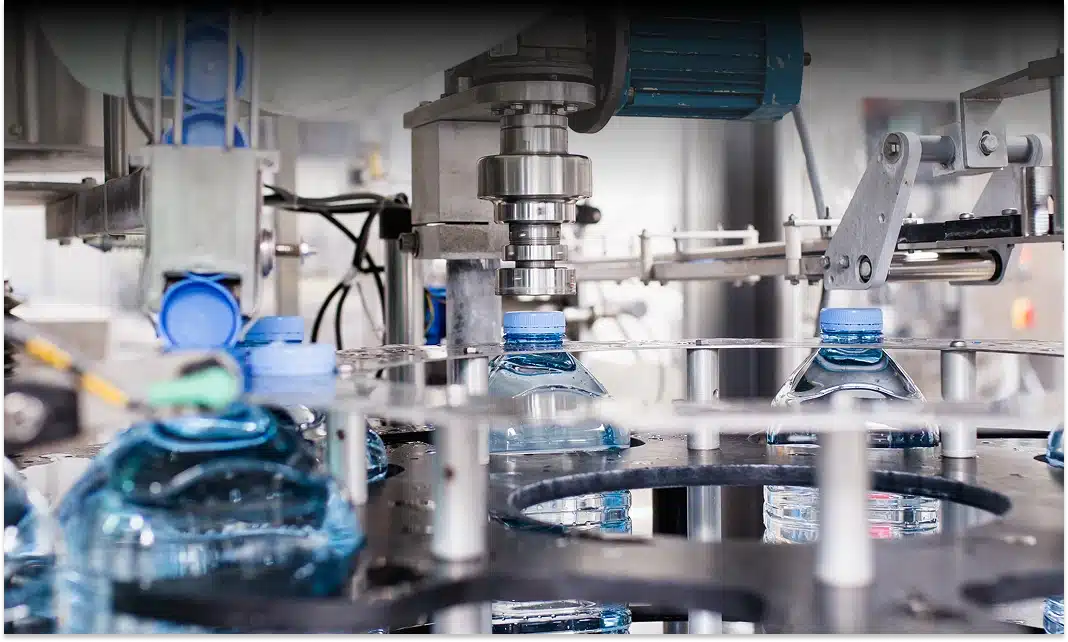
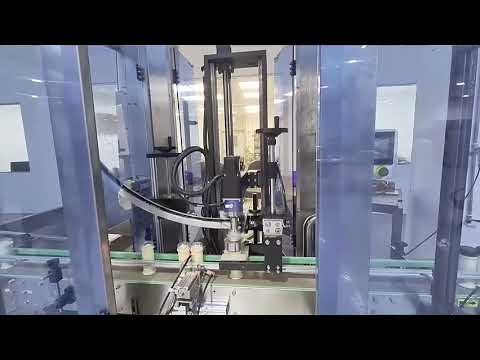
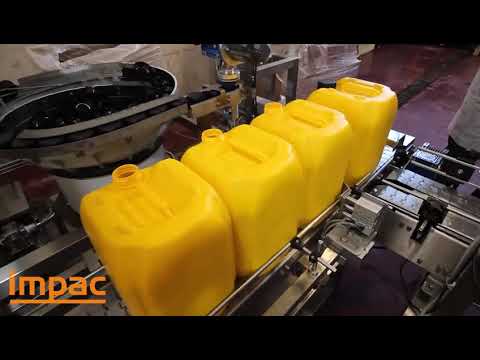
After filling, the containers move automatically to the capping station. An automatic system feeds the caps and places them on the containers, eliminating the need for manual cap placement. This allows the capping station to be integrated into a continuous production line.
Container Closing and Induction Sealing
After the cap is placed, the container is closed. For products that require sealing, a heating and sealing system for the foil inside the cap can be incorporated. The induction sealing process uses heat to create a seal. This technology is used, among other purposes, to help maintain product freshness, prevent air ingress, and reduce the risk of leaks or unwanted opening.
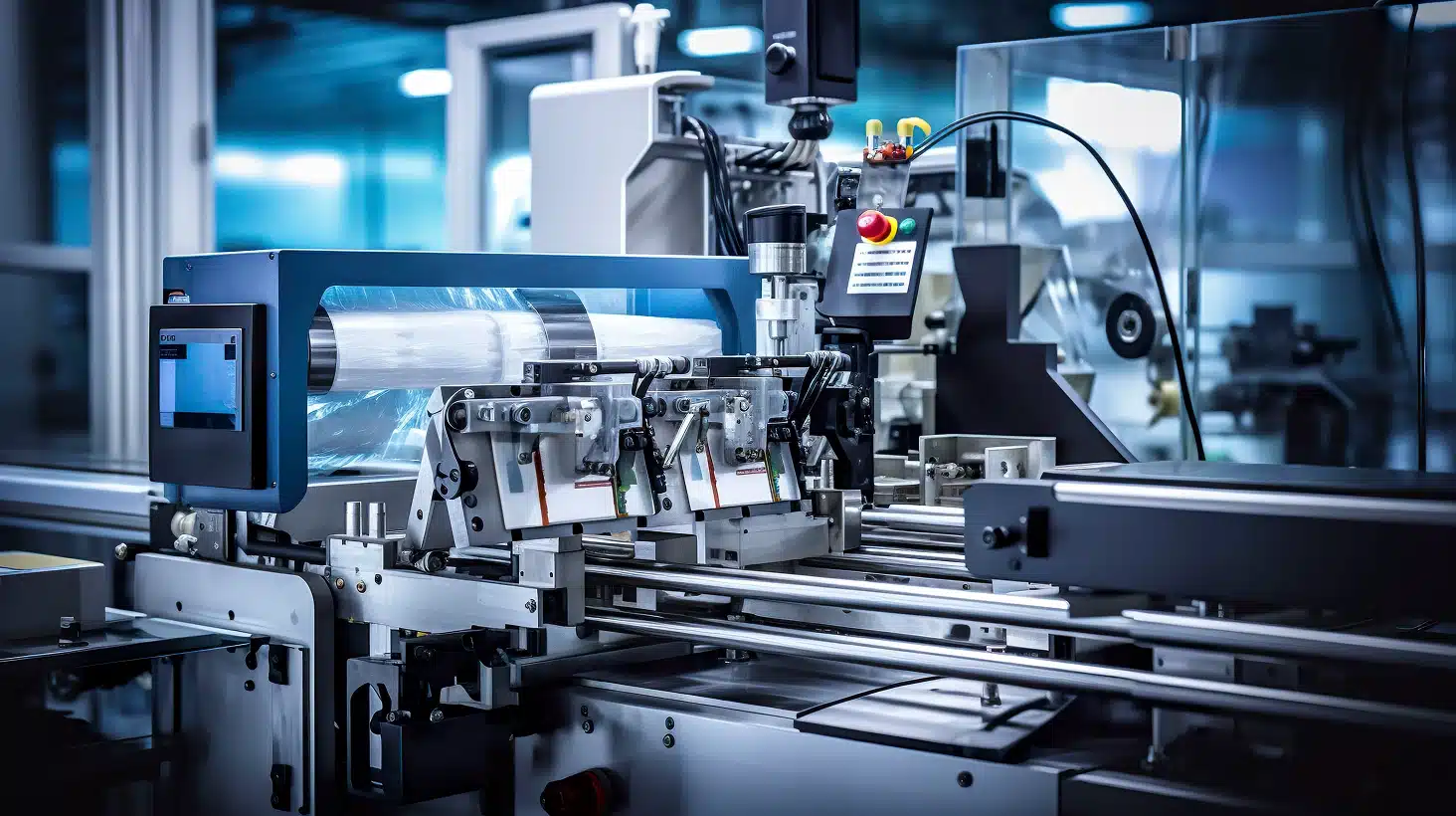
For food products, sealing provides an additional layer of protection before the product reaches the consumer. In some cases, a sealing system can also be incorporated to cut and weld foil from a continuous foil roll.
Integrated Automatic Labeling
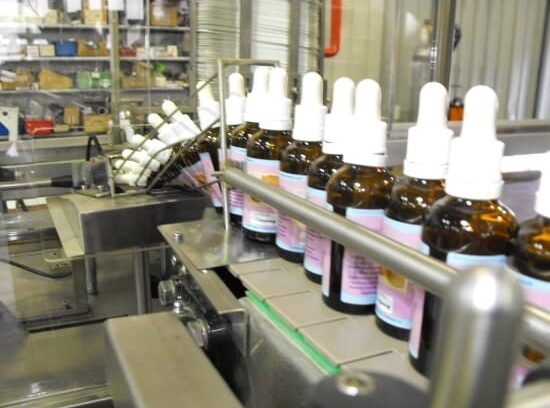
After filling and closing, the containers can move directly to the labeling station. The labeling machine applies labels automatically and uniformly to each container and can also be used to print details such as the production date or expiration date. Integrating the labeling station into the line allows the containers to proceed directly to the next stage of production.
Designing a Complete Powder Filling Line
Filling powders into jars requires more than a filling system alone. A fully automated line can be designed to include material feeding via elevator, mixing, filling, capping, closing, foil sealing, and labeling. Planning these stations as part of one line allows the equipment to be configured according to the product, container, and required production output.