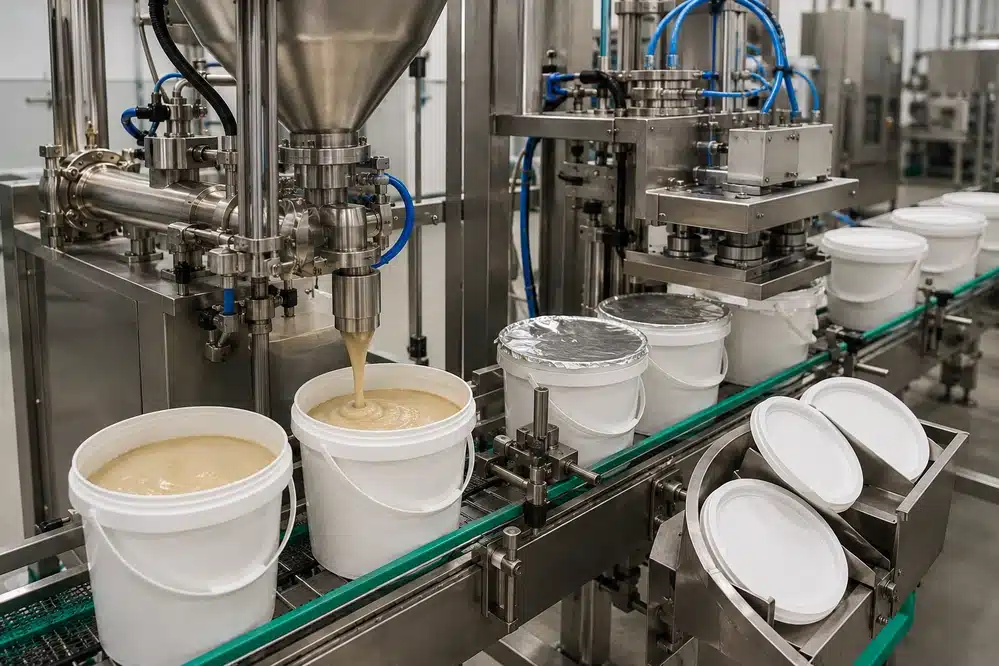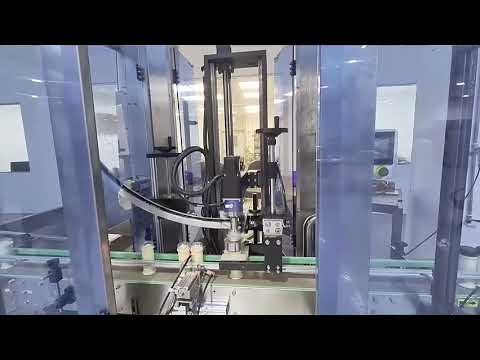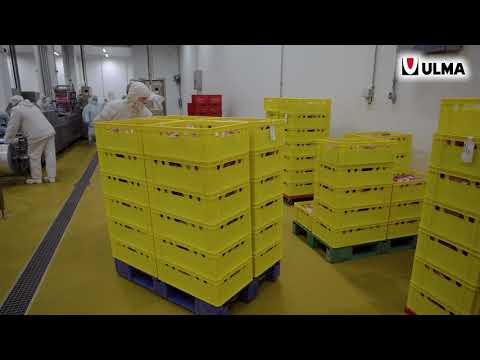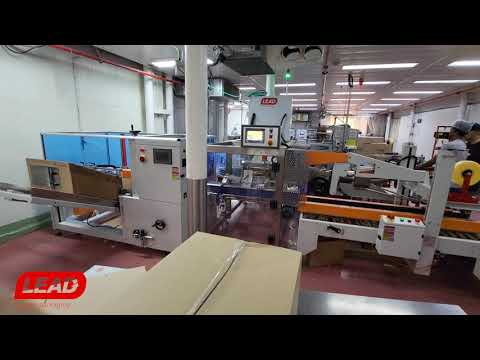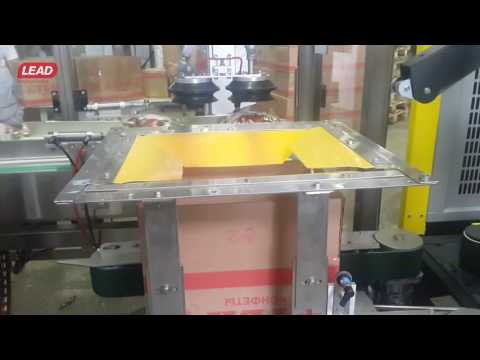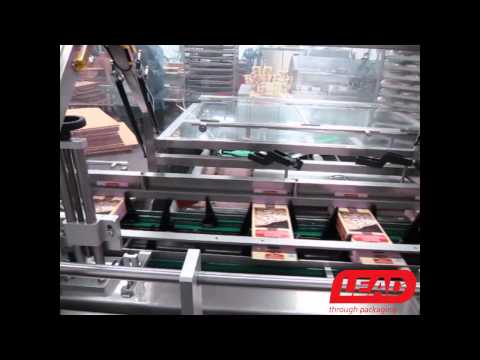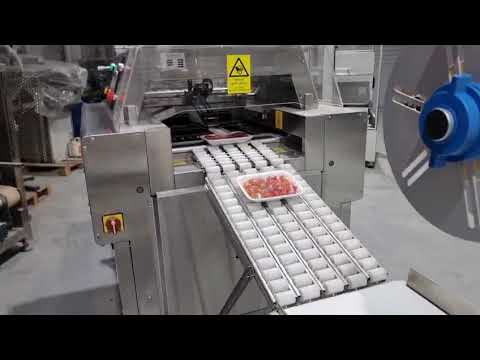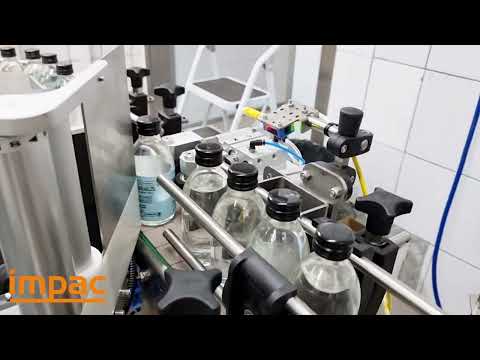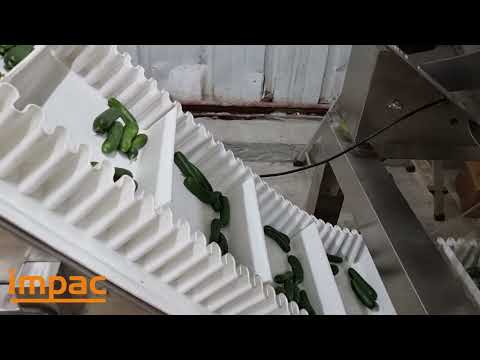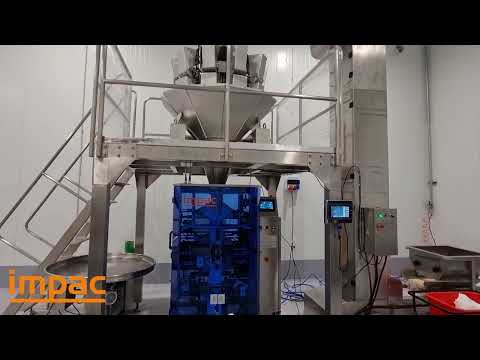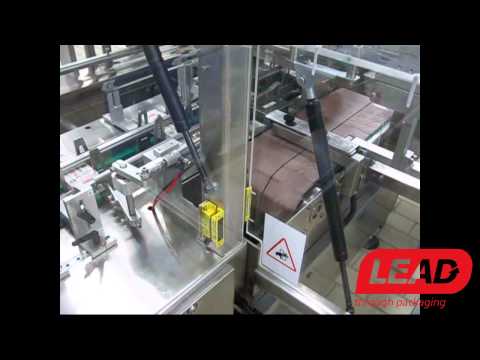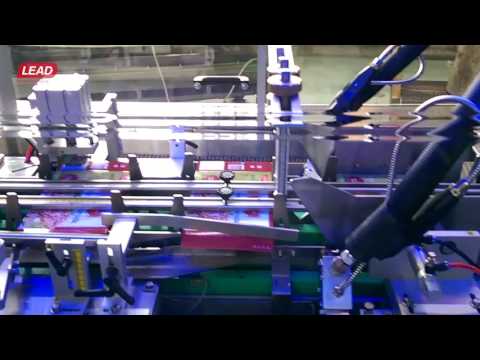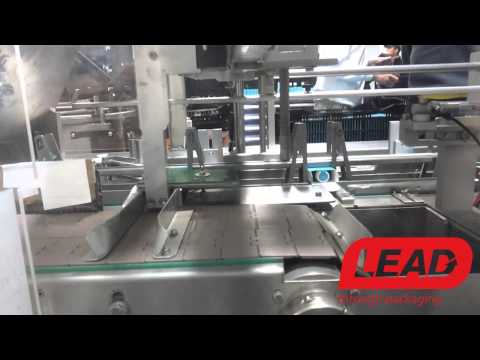
The decision between a fully automatic machine and a semi-automatic machine is sometimes presented as a question of budget, but it is also a question of the production mix. A factory that produces one product continuously throughout the week operates differently from a factory that changes products three times a day, and these two types of filling machines are designed for different production requirements. Filling machines of both types appear side by side in catalogs because each addresses a different production need.
What Is the Difference Between Automatic and Semi-Automatic Filling?
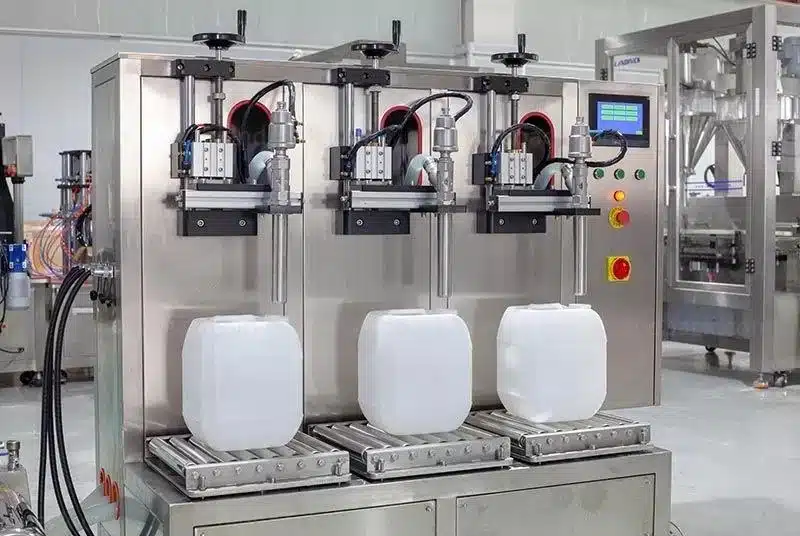
An automatic filling machine performs the sequence of operations without operator intervention, including container feeding, dosing, closing, and, in some cases, labeling, as containers move between stations on a conveyor. A semi-automatic machine leaves one step to the operator, such as placing or removing the container, while the machine performs the dosing. The difference is not in filling accuracy, but in the amount of manual intervention required throughout the shift.
This is why comparing the two based on peak speed alone can be misleading. A semi-automatic machine may reach a respectable speed during a steady work sequence, but its productivity also depends on the operator’s work rate. An automatic machine maintains the same speed from the beginning of the shift to the end.
When Is a Semi-Automatic Filling Machine Suitable?
A semi-automatic machine is suitable for medium-sized production runs and factories that produce a wide range of products. When the line changes products frequently, setup time becomes more important than filling rate, and a machine with fewer stations and fewer feeding components can be reconfigured more quickly. During the launch phase of a new product, when the required production volumes are not yet clear, a semi-automatic machine also allows production to begin without committing the line to a single format.
- Medium output that does not require continuous production throughout the entire shift
- A wide product range with frequent transitions between formats
- Large-volume products that are already handled as individual units
- A launch phase in which demand has not yet stabilized
Some factories operate both types of machines simultaneously: an automatic line for high-output core products and a semi-automatic machine for short runs and seasonal products. This combination prevents an expensive line from stopping every time a small production run is required.
When Is an Automatic Filling Machine More Suitable?
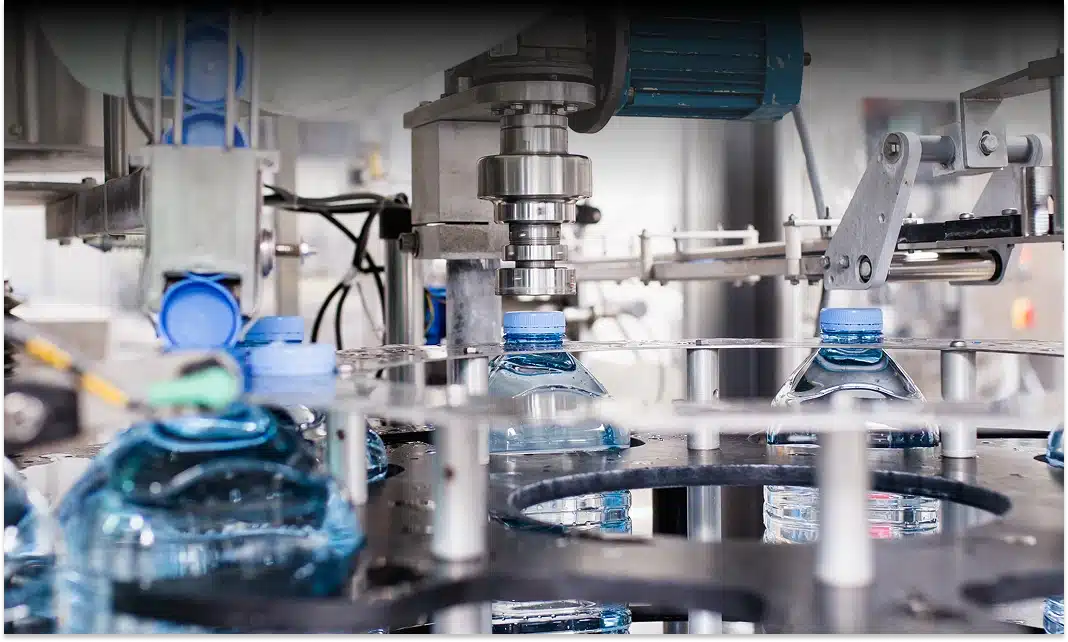
The transition to an automatic machine becomes more relevant when production becomes continuous, volumes are stable, and the number of product contacts becomes a consideration. In the food and dairy industries, automatic sequencing reduces the number of product contacts throughout the process, which is a consideration that goes beyond throughput. Furthermore, controlled dosing throughout an entire shift reduces variations in fill quantity and dripping around the container opening, which are known sources of dirt in the machine and stoppages at the filling station.
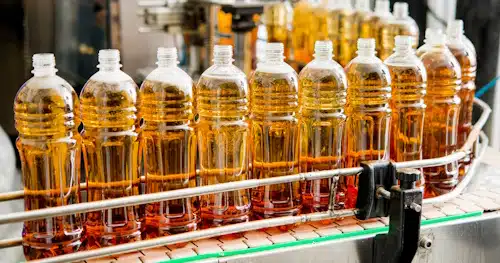
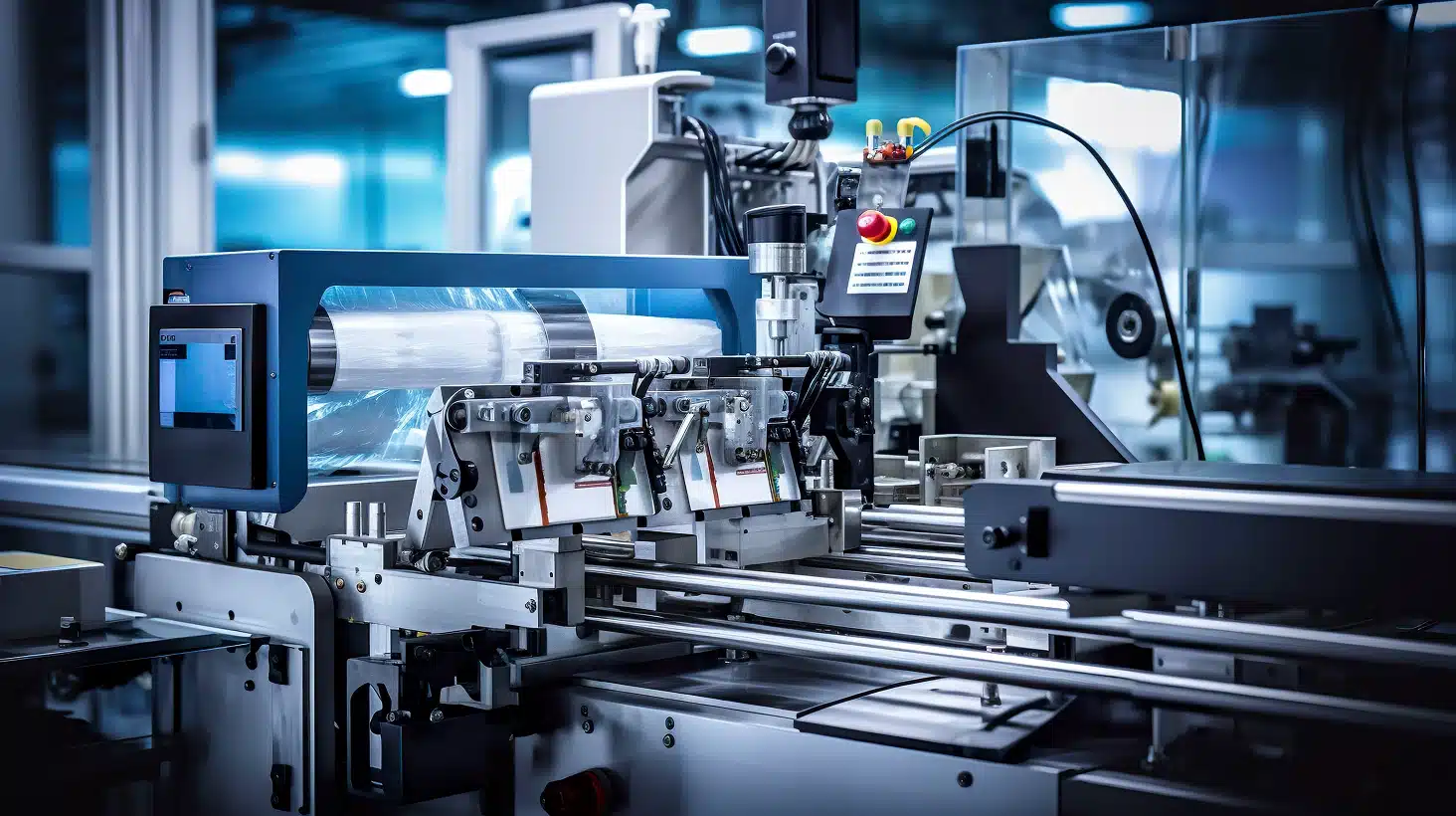
Another advantage is the integration of stations. An automatic line performs filling, capping, and labeling in a single sequence, without requiring containers to be transferred manually between stations.
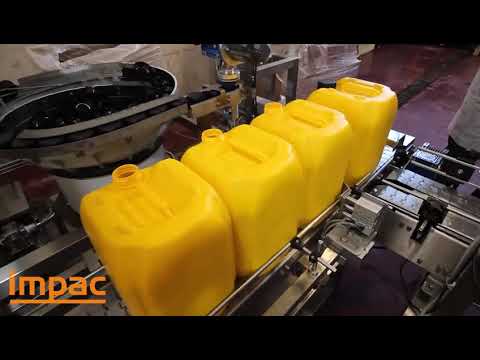
IMPAC provides an automatic line for filling, capping, and labeling jerrycans and containers. It is built in a linear configuration that allows workstations to be added as needed and reaches 5,000 to 25,000 containers per shift.
| Consideration | Semi-Automatic Machine | Fully Automatic Machine |
| Production regime | Series and medium output | Continuous high-output production |
| Variety of formats | Frequent and fast transitions | Several predefined formats |
| Operator intervention | One step remains manual | Full sequence without intervention |
| Integration of additional stations | Independent station on the line | Filling, closing, and labeling in sequence |
| Effect of operator speed | Affects productivity | Does not affect the pace |
How Does the Dosing Method Affect the Choice?
The material condition determines the dosing mechanism before the level of automation is selected. A piston-type volumetric filler pushes a fixed volume per cycle and is suitable for liquids and pastes. A weigh-based filler measures the actual weight, so it handles materials with varying densities more effectively. Fine powders and granular materials are fed through an auger mechanism, while dry granular materials are fed on a vibrating chute.
Both dosing mechanisms are available in semi-automatic and fully automatic versions. This means the decision involves two separate questions: which mechanism is suitable for the product, and which level of automation is suitable for the production requirements. Mixing these two considerations can lead to an inaccurate characterization of the required machine.
How Should You Compare Actual Output?
A nominal rate is a starting point, but the output that matters to the factory is the output measured over a full shift. For an automatic machine, output is determined by the continuous rate, minus format changeover and cleaning times. For a semi-automatic machine, output also depends on the operator’s work rate and natural breaks throughout the shift. Both configurations can reach the same daily output in certain situations, so the comparison should be based on the daily target rather than the number stated in the catalog.
Automatic filling machines have a clear advantage when production is continuous and the number of changeovers is low, because the continuous rate can then be fully utilized. As the number of changeovers increases, a larger portion of the shift is dedicated to preparation, reducing the difference between the two configurations. This is why the same factory can reach different conclusions for different production lines.
It is better to base the calculation on a weekly production mix rather than a single day. A filling line that produces one product for five consecutive days operates differently from a line that changes products every day, and this difference can sometimes be greater than the difference between the two machines themselves.
What Other Costs Should You Consider?
Both configurations require attention to the stations around them. An automatic filling machine integrated into a line requires continuous container feeding, orderly discharge at the outlet, and a control interface with existing equipment. A semi-automatic machine, on the other hand, requires planning for the operator’s position, the movement space around the machine, and how containers are delivered to it. In both cases, what happens around the machine can affect output as much as the machine itself.
From an economic perspective, the correct calculation is not based on the purchase price alone, but on the cost per unit produced over time. This includes labor, packaging material saved through controlled dosing, lead time between products, and the availability of spare parts. Using production mix data for the machine characterization allows both alternatives to be included in the same calculation rather than compared based only on specifications.
Summary
An automatic filling machine and a semi-automatic machine are not simply two levels of the same product, but two solutions for different production requirements. Stable output and production continuity may lead to an automatic line, while a wide product range with frequent transitions may favor a semi-automatic machine. In some cases, the right solution is a combination of both.
Contact IMPAC with the product data, container specifications, and output per shift to receive a characterization of the solution that suits your production mix.